You might think that starting cleaning any way works, but that is not true. Following a precise order and a thoughtful sequence is definitely worth it. Start with a sequence of tasks that do not involve any liquids, such as wiping down any countertops, sweeping, and using a dry cloth to get food residues off the stovetop. This is a helpful way to prevent turning dry dirt into sticks messes that are harder to clean. After that step, it is time to clean using water. Do the dishes, then clean the wet surfaces, which also includes sinks and backsplashes, and finally, mop the floors. This sequence will help prevent dirt from spreading and will help clean more efficiently.
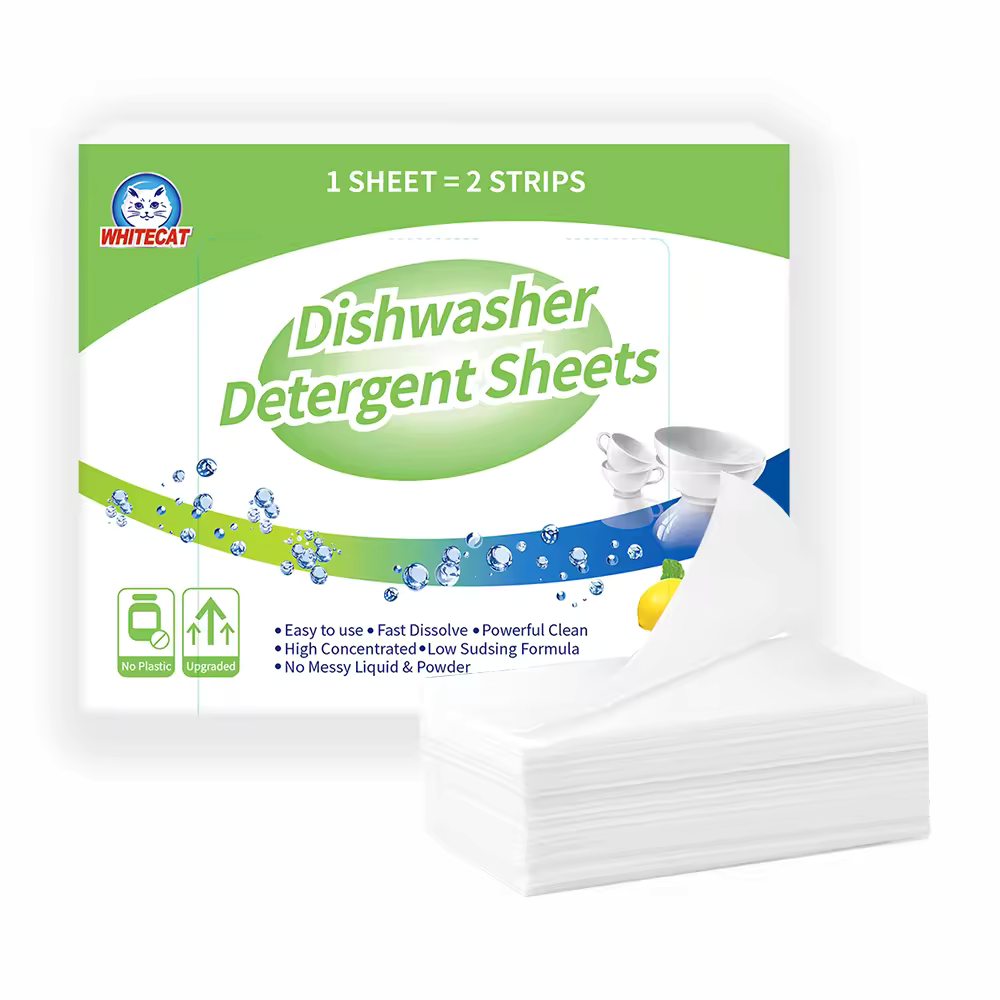
Using the right product for the right job is crucial for cleaning efficiency. For highly greasy dishes, use a dish soap with high active matter. This soap is less work in removing greasy dishes as it cuts through grease very fast. Also safe products for cleaning fruits and vegetables should be the same soap used. This way you wouldn’t need different products for different needs in the kitchen. For countertops and stovetop surfaces, a multipurpose cleaning powder especially one that stains and a bacteria killer works. For a toilet nearest the kitchen, a dual purpose long lasting toilet cleaner that descales works great and saves time tackling a stain and odor at the same time. Do not use one product to do everything as it can work poorly on some surfaces and even be harmful to some materials.
Certain places in the kitchen get used more and have more germs so these should be given more attention. The sink, cutting board, stovetop, and refrigerator handle are the main places. After washing dishes, keep the sink clean and free of soap scum and bacteria by wiping it with a cloth and a little dish soap. For cutting boards, especially those used for raw meat, use a more powerful cleaning and sterilizing product to kill the dangerous bacteria. The stovetop needs to be cleaned after every use, and make sure to wipe up spills while they are still warm since cooled grease is more difficult to get off. The refrigerator handle should be wiped daily, as it is frequently touched.
Cleaning with simple tools can become efficient. For example, a microfiber cloth is perfect for wiping decks, countertops, and stovetops. Microfiber cloths grab more dirt and dust, and they do not leave lint behind. To clean the dishes, a soft sponge with a scrubbing side worked great for the tough spots me without scratching the dish. If there are plenty of dishes to wash, soaking them in warm water with some dish soap for 5 to 10 minutes is great, as it cuts the scrubbing time down significantly. When it comes to floors, mops with reusable pads are preferable as they are easier to clean and use, rather than a traditional mop and bucket. You also save time from having to wring and refill water multiple times.
A little bit of effort every day stops the kitchen from getting too dirty, so you don’t have to spend hours deep cleaning later on. After you finish cooking, take 5 minutes to wipe down the stovetop and countertops, and don’t let the dishes stack up in the sink—rinse them right away. Before bed, quickly sweep the floor to get rid of crumbs and small debris. These little tasks mean that when you deep clean once a week, there’s a lot less to do. It’s also convenient to keep cleaning products nearby—store dish soap by the sink and a small cleaning cloth by the stovetop, so you can clean as you go.

Be the first to get our latest styles and offers.
Global Headquarters: 2F, Building 3, No. 188 Pingfu Road, Xuhui District, Shanghai, China
Whitecat USA Group: 22525 SE 64th Place Building H, Suite 2023 Issaquah, WA 98027
Copyright © 2024 Shanghai Hutchison Whitecat Company Limited——Privacy Policy
 EN
EN
 AR
AR CS
CS DA
DA NL
NL FR
FR DE
DE EL
EL HI
HI IT
IT JA
JA KO
KO NO
NO PL
PL PT
PT RO
RO RU
RU ES
ES SV
SV TL
TL ID
ID SR
SR UK
UK VI
VI HU
HU TH
TH TR
TR MS
MS GA
GA CY
CY HY
HY AZ
AZ KA
KA BN
BN LO
LO LA
LA MN
MN MY
MY KK
KK KY
KY