The first thing to identify to see if the dish detergent will save water is if it has the "concentrated" label. This means that concentrated formulas require only small amounts for lots of foam and cleaning power. Also, unlike regular detergents, which require more product to be used and more water to rinse off, concentrated detergents reduce both the product and rinse water used. Many established brands reasonably use concentrated detergents designed to work to save water.
Rinse performance is the second most important thing when it comes to water saving dish detergents. Rinse off a detergent when it leaves dishes residue-free and it means saving water because you don’t need to keep the tap running for a long time to rinse after washing to complete cleaning. Look for products that say "easy rinse" or "no residue" on the label. This saves water and reduces the time spent at the sink because a short rinse with warm or cold water is sufficient.
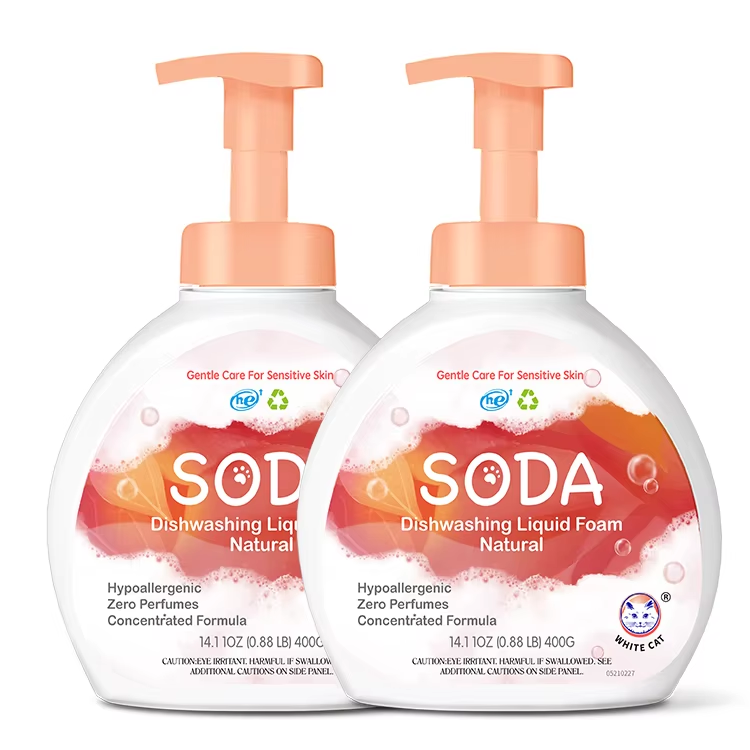
Eco-friendly and biodegradable dish detergents can be beneficial for the environment, and won’t harm eco-systems when used in eco-friendly amounts. With these eco-friendly biodegradable detergents, you aren’t just saving the amount of water used in dishwashing, but the bigger water source in the environment. Many brands provide eco-friendly concentrated detergents that help conserve water. It is positive for your conscience to conserve water and help the environment.
Cleansing technologies that do not use more water to clean a dish can be found in some dishwashing detergents. For instance, water saving grease-cutting active enzymes help the user cut grease and clean tough stains saving water. You will no longer have to soak, scrub, and waste water to prep the dishes. Advanced dishwashing technologies help you wash more dishes, saving you water and time. This will help make your daily water-saving dishwashing routine more efficient.
Testing a few dishwashing methods that claim to save water? You don't need to wash your dishes water. Just save a small portion of the dish soap. Save half of your soap rations to see how well it cleans. If it cleans the grease and food particles and rinses well, you've found the winner. This saves water and avoids excess soap. You may notice that the small amount of soap saves a lot of water. This small step saves water in the long run.

Be the first to get our latest styles and offers.
Global Headquarters: 2F, Building 3, No. 188 Pingfu Road, Xuhui District, Shanghai, China
Whitecat USA Group: 22525 SE 64th Place Building H, Suite 2023 Issaquah, WA 98027
Copyright © 2024 Shanghai Hutchison Whitecat Company Limited——Privacy Policy
 EN
EN
 AR
AR CS
CS DA
DA NL
NL FR
FR DE
DE EL
EL HI
HI IT
IT JA
JA KO
KO NO
NO PL
PL PT
PT RO
RO RU
RU ES
ES SV
SV TL
TL ID
ID SR
SR UK
UK VI
VI HU
HU TH
TH TR
TR MS
MS GA
GA CY
CY HY
HY AZ
AZ KA
KA BN
BN LO
LO LA
LA MN
MN MY
MY KK
KK KY
KY