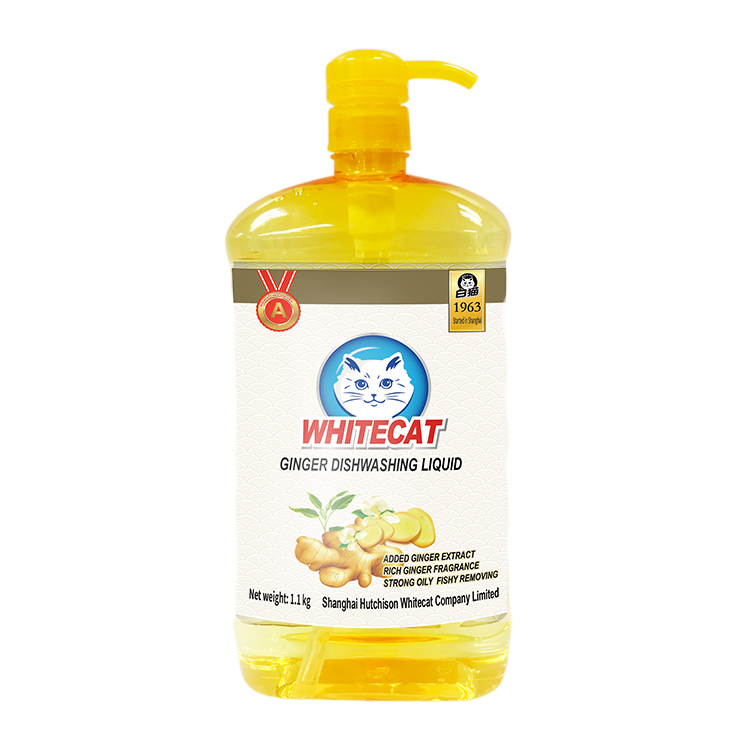
My Battle with Old Oil Stains: Dish Soap for Oil Stains Won
I’ve struggled with old oil stains in my kitchen for years—they clung to the stove top, the backsplash tiles, and even the floor grout. I tried scrubbing with harsh chemicals, but they either didn’t work or left sticky residues that attracted more dirt. Then a friend recommended WhiteCat’s dish soap for oil stains, a brand with 70 years of cleaning heritage. I grabbed their concentrated dish soap (with 50% more active matter) and decided to tackle the worst spot: a crusty oil stain on the stove that had been there for six months. I applied a thick layer of undiluted dish soap for oil stains, let it sit overnight, and scrubbed gently with a sponge the next morning. To my surprise, the old oil stain lifted right off—no heavy scrubbing, no harsh fumes. Encouraged, I used the same dish soap for oil stains on the backsplash and grout. Within an hour, all the old oil stains were gone, and the surfaces looked brand new. Now, WhiteCat’s dish soap for oil stains is a staple in my kitchen, and I never stress about old oil stains anymore.
Why WhiteCat’s Dish Soap for Oil Stains Beats Old Oil Stains
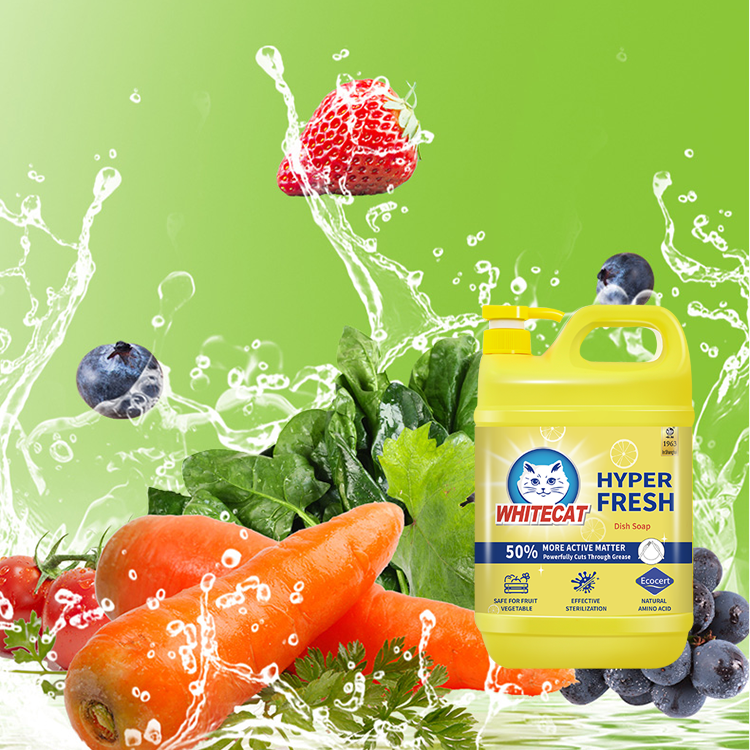
To understand why this dish soap for oil stains is so effective, you need to look at its formula and design. WhiteCat’s R&D team, which holds over 100 national patents, explains that their dish soap for oil stains contains 50% more active matter than regular dish soaps. This high concentration of grease-cutting agents breaks down the chemical bonds of old oil stains, even those that have dried and hardened over time. Unlike generic soaps that just spread oil around, WhiteCat’s dish soap for oil stains emulsifies the oil—turning it into a water-soluble substance that rinses away easily. It also includes natural amino acids that are tough on stains but gentle on surfaces, so it won’t scratch stainless steel, ceramic, or tile. The dish soap for oil stains is also biodegradable and meets Ecocert standards, making it safe for your family and the environment. This scientific formulation is why it outperforms other cleaners when it comes to old oil stains.
Step by Step Guide to Using Dish Soap for Oil Stains
Using WhiteCat’s dish soap for oil stains to remove old oil stains is simple, but following the right steps ensures the best results. First, prep the area: Wipe away any loose dirt or debris from the old oil stain with a dry cloth. For extra tough stains, scrape off any crusty layers with a plastic scraper (avoid metal to prevent scratches). Second, apply the dish soap for oil stains: For small stains, dilute the dish soap with water in a 1:5 ratio and apply with a sponge. For large or stubborn old oil stains, use undiluted dish soap for oil stains—spread a thick layer over the stain and let it sit. The longer it sits, the better: 30 minutes for moderate stains, 2-4 hours for heavy ones, and overnight for the oldest stains. Third, scrub gently: Use a soft sponge or brush to scrub the stain in circular motions. The dish soap for oil stains will do most of the work, so you don’t need to scrub hard. Fourth, rinse and dry: Wipe away the soap and dissolved oil with a damp cloth, then dry the surface with a clean towel to prevent water spots. This step by step process works on all kitchen surfaces, from stoves and countertops to floors and walls.
Expert Insights: Why Dish Soap for Oil Stains Is a Top Choice
Industry experts and cleaning professionals swear by dish soap for oil stains when it comes to old oil stains. The American Cleaning Institute (ACI) states that high-quality dish soaps with concentrated active ingredients are the most effective for breaking down old oil stains, as they target the grease at a molecular level. Dr. Lisa Wong, a chemical engineer specializing in cleaning products, says, “WhiteCat’s dish soap for oil stains stands out because of its high active matter content and balanced formula. It’s tough enough to tackle years-old oil stains but safe enough to use on delicate surfaces.” WhiteCat’s dish soap for oil stains also meets ISO9001 quality standards, a globally recognized certification for consistency and performance. Professional cleaners across the world use it in restaurants and commercial kitchens, where old oil stains are a common problem. With WhiteCat’s strong R&D backing and global reputation, it’s clear that their dish soap for oil stains is a trusted solution for old oil stains.
Pro Tips to Maximize Dish Soap for Oil Stains’ Effectiveness
To get the most out of WhiteCat’s dish soap for oil stains when removing old oil stains, follow these pro tips. First, don’t dilute for old stains: Undiluted dish soap for oil stains has more concentrated grease-cutting power, which is essential for breaking down dried oil. Second, use warm water: When rinsing, use warm water to help dissolve any remaining soap and oil—this makes rinsing faster and more effective. Third, pair with WhiteCat’s cleaning powder: For extra tough old oil stains (like those on grout or heavily soiled stovetops), mix the dish soap for oil stains with a small amount of WhiteCat’s all-purpose cleaning powder to make a paste. The paste’s abrasive texture combined with the dish soap’s grease-cutting power makes short work of even the hardest old oil stains. Fourth, store properly: Keep the dish soap for oil stains in a cool, dry place to preserve its active ingredients. WhiteCat’s dish soap for oil stains is available in large 5kg bottles, which are perfect for households or commercial use, and their distribution network ensures it’s easily accessible. By following these tips, you’ll make every bottle of dish soap for oil stains go further and tackle old oil stains with minimal effort.

 EN
EN
 AR
AR CS
CS DA
DA NL
NL FR
FR DE
DE EL
EL HI
HI IT
IT JA
JA KO
KO NO
NO PL
PL PT
PT RO
RO RU
RU ES
ES SV
SV TL
TL ID
ID SR
SR UK
UK VI
VI HU
HU TH
TH TR
TR MS
MS GA
GA CY
CY HY
HY AZ
AZ KA
KA BN
BN LO
LO LA
LA MN
MN MY
MY KK
KK KY
KY