There are different kinds of tough stains, so the first thing you have to do is figure out what kind you have before you can remove them. Tough stains you might deal with are oil-based stains which come from cooking grease and salad dressing, blood and sweat stains which are protein-based, and hard water deposits and rust stains which are mineral-based. Each kind needs a different method. For example, oil stains require a detergent that can cut grease, while protein stains need an enzyme that will digest the organic matter. Identifying the stain will take a minute, but it will save you time and prevent using the wrong approach, which might make the stain worse.
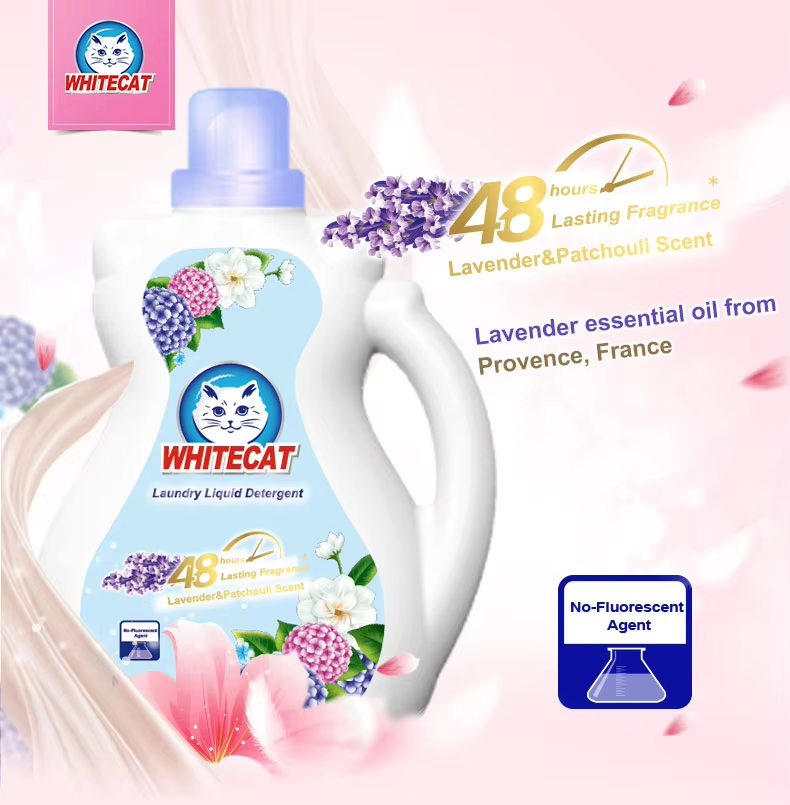
Choosing a suitable detergent based on your specific stain type is crucial for effective cleaning. When searching for a detergent geared for tough stain removal, consider the following: proteins stains are best removed with enzymatic detergents as they eliminate the organic molecules that tether the stain to the fabric or surface, while oil and grease stains require detergents with high active matter content because they easily cut grease. Stains with set-in dirt or stains that have discoloration require a focused detergent or booster as they contain more active stain removal agents relative to the volume. If you’re cleaning sensitive items, like fruits and vegetables or delicate fabrics, assess whether the detergent you're using is safe. Some detergents are tougher on stains while still being non-toxic and gentle to sensitive fabrics.
Even the best detergent won't clean a surface if applied incorrectly. Start off by acting quickly on the stain— the longer a stain lingers, the more difficult it will be to clean. For stains on fabric, apply a little detergent directly on the stain, and let it sit for 5 to 10 minutes. Don’t rub too hard, as this can push the stain further in. For hard surfaces, such as kitchen counters or toilet bowls, apply the detergent and let it sit for a few minutes to break down the stain. Afterward, wipe or scrub it gently. For protein-based stains, avoid hot water as it will "set" the stain. Instead, use cold or lukewarm water to assist detergent in removing the stain. Finally, avoid using too little or too much detergent. Too little detergent won't clean properly and too much of it will leave a sticky residue that will attract more dirt.Avoid Unproductive Mistakes That Make Stains Harder to Remove
Everyone has bad habits when it comes to dealing with tough stains—and those bad habits can actually make the stain worse. For instance, some people spend too much time scrubbing away stains. Rubbing the fabric too harshly can actually damage soft or delicate materials, and make the stain larger. Other unproductive habits include mixing cleaning products. Certain combinations can create toxic fumes and decrease the effectiveness of the products. Skipping the “pre-treatment” step can also lead to poor results, since it allows the detergent even less time to break down the stain. Lastly, don’t dry the item or surface and check to see if the stain is gone. Heat and detergent will set the stain if it’s still there after washing. Stains that are set will be almost impossible to remove later.
Once you've done the cleaning, check to see if the stain is completely removed. If there is still a light stain, perform the needed steps one more time. Add a bit more detergent, let it set, and clean one more time. For the fabrics, do not dry it until the stain is removed. For hard surfaces, let streaks dry and attract dirt. Get a clean, damp cloth and wipe the surface to remove any detergent residue. For stubborn stains, such as hard water deposits in the toilet, check to see if the detergent has long-lasting descaling to prevent problems in the future. Each time you clean, note which stain removing detergent you've used so you will know it for next time.

Be the first to get our latest styles and offers.
Global Headquarters: 2F, Building 3, No. 188 Pingfu Road, Xuhui District, Shanghai, China
Whitecat USA Group: 22525 SE 64th Place Building H, Suite 2023 Issaquah, WA 98027
Copyright © 2024 Shanghai Hutchison Whitecat Company Limited——Privacy Policy
 EN
EN
 AR
AR CS
CS DA
DA NL
NL FR
FR DE
DE EL
EL HI
HI IT
IT JA
JA KO
KO NO
NO PL
PL PT
PT RO
RO RU
RU ES
ES SV
SV TL
TL ID
ID SR
SR UK
UK VI
VI HU
HU TH
TH TR
TR MS
MS GA
GA CY
CY HY
HY AZ
AZ KA
KA BN
BN LO
LO LA
LA MN
MN MY
MY KK
KK KY
KY