Fabrics have different characteristics. Knowing which ones are which helps with correct detergent usage. For instance, you need to be more careful with silk and wool. They are more likely to get damaged with strong detergents. Strong and sturdy fabrics like cotton and linen can take regular detergents, but you still need to use an appropriate amount. Polyester and nylon are synthetic fabrics and are resistant to most detergents, but using too much can lead to residue buildup. This will affect the aesthetics and the feel of the garment. Taking a moment to check the garment to understand what you are working with will prevent a lot of errors. Most fabric guides will suggest the correct detergent to use, and advise against high washing temperatures.
Getting the right detergent is important on how you wash your clothes. Use gentle detergents for delicate fabrics. Check for ones “suitable for silk/wool” or natural ingredient ones. They clean without harming the fibers of the fabric. Standard detergents work for cotton and linens. If you want extra benefits like brightening colors or removing tough stains, choose the ones with active ingredients designed for that. Low-suds and easy-to-rinse detergents work best with synthetic fabrics. This is to avoid soap build-up that makes synthetics sticky and dull. Some detergents have features like odor control which is best for workout clothes that get sweaty and smell.
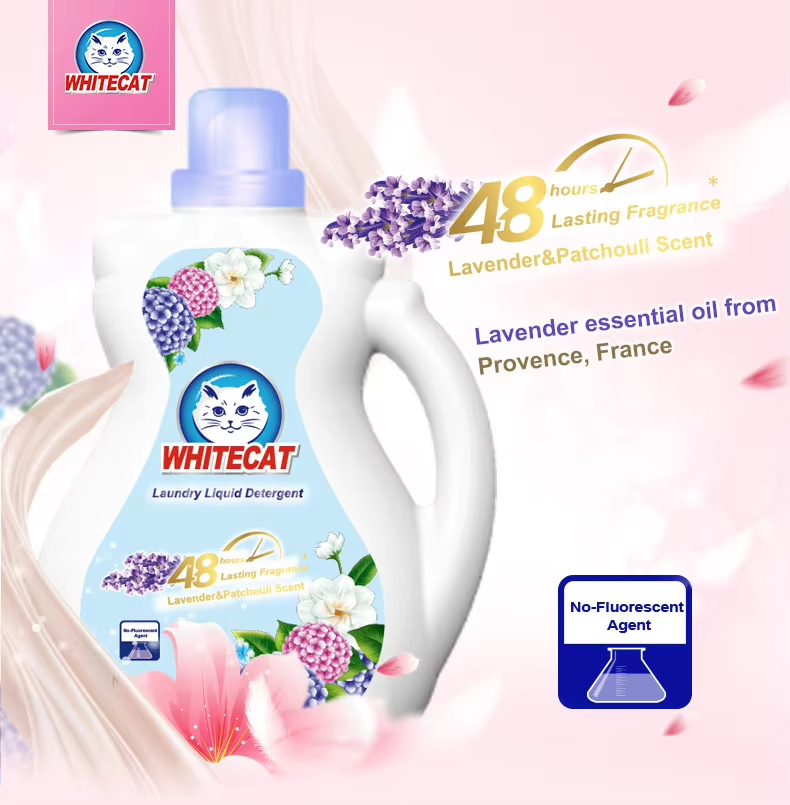
Using the wrong amount of detergent can hurt your laundry and your clothing. If you use too much detergent, your clothes will feel stiff or scratchy and will irritate sensitive skin. If clothes feel stiff, they will attract dirt and grime. It will also make rinsing clothes more difficult and waste water. On the other hand, using too little detergent won’t remove stains and odors. You will also build up dirt over time and make laundry even dirtier. Detergent packaging will give you the amount needed for the size of the load, small, medium or large and how soiled the clothes are. With delicate items use the recommended amount for the size or even a little less. You will need a little more for large, soiled work clothes, but don’t overdo it.
Using the appropriate detergent is just one part of the cleaning equation. Following the appropriate washing technique for each type of fabric will help to make sure your clothes will be clean and last a long time. For delicates, be sure to select the “gentle” or “delicate” cycle on your washing machine. This cycle spins more slowly and uses cooler water to help protect the fabric. If you are hand-washing, be sure to mix your detergent and water before adding clothes to the solution and then gently squeeze to clean (do not rub or twist). Cotton and linen will be fine on the regular cycle, but be sure to use warm (not hot) water to prevent fading the colors. For synthetics, use a normal or quick cycle along with cool water. Finally, all clothes, but especially delicates and synthetics, need a thorough rinse to remove any leftover detergent. Do not over-dry delicate fabrics either. To help them keep their shape, air-dry them flat.
Every now and then, issues may arise even when you take precautions, but most issues are easy to fix. White residue left on dark clothing may be a sign that you are using too much detergent or that a proper rinse was not completed. Simply use a smaller amount of detergent and do an extra rinse cycle. Delicate fabrics that get stretched or misshapen require a gentle detergent and the wringing out after the wash cycle should be avoided. If odors linger on synthetic clothing after washing, use a detergent with an odor-removing active ingredient and be careful not to overload the washing machine. For bad smells, overcrowding restricts water and detergent from flowing to all clothes. For cotton clothing that looks dull, use a detergent with brightening agents. Avoid brightening agents on dark cotton, as it may cause fading.

Be the first to get our latest styles and offers.
Global Headquarters: 2F, Building 3, No. 188 Pingfu Road, Xuhui District, Shanghai, China
Whitecat USA Group: 22525 SE 64th Place Building H, Suite 2023 Issaquah, WA 98027
Copyright © 2024 Shanghai Hutchison Whitecat Company Limited——Privacy Policy
 EN
EN
 AR
AR CS
CS DA
DA NL
NL FR
FR DE
DE EL
EL HI
HI IT
IT JA
JA KO
KO NO
NO PL
PL PT
PT RO
RO RU
RU ES
ES SV
SV TL
TL ID
ID SR
SR UK
UK VI
VI HU
HU TH
TH TR
TR MS
MS GA
GA CY
CY HY
HY AZ
AZ KA
KA BN
BN LO
LO LA
LA MN
MN MY
MY KK
KK KY
KY