Detergent effectiveness starts with the active ingredients, and their performance is reliant on water temperature. Surfactants, which are the main cleaning agents in the detergent line, lift and suspend the dirt and grease from the water. When the water is cooler, these surfactants can become dormant, making it even harder to break through the tough oils and grime. In contrast, warmer water will energize surfactants, making it easier for them to spread and readily penetrate the fibers of the fabric.
Enzymes serve a purpose in biological systems, in the same way, they function in modern detergents today, these liquid proteins work the best in neutral, warm water. The purpose of the warm water is to allow the proteins to work their magic on food, blood, or perspiration. If the water is too hot, the enzymes denature, causing a permanent loss in the ability to assist in removing a stain, which is why most detergents recommend a warm water temperature for washing clothes in order to help activate the enzymes.
Replying appropriately to varying types of stains is just as important as removing their stains. The temperature of the water is just as important of a factor to consider. In the case of oil-based stains i.e. cooking grease or makeup, warm water is always the best option as it is more efficient in dissolving and removing the stain. If too cold of water is used, the stain is bound to set and it is more difficult to remove.
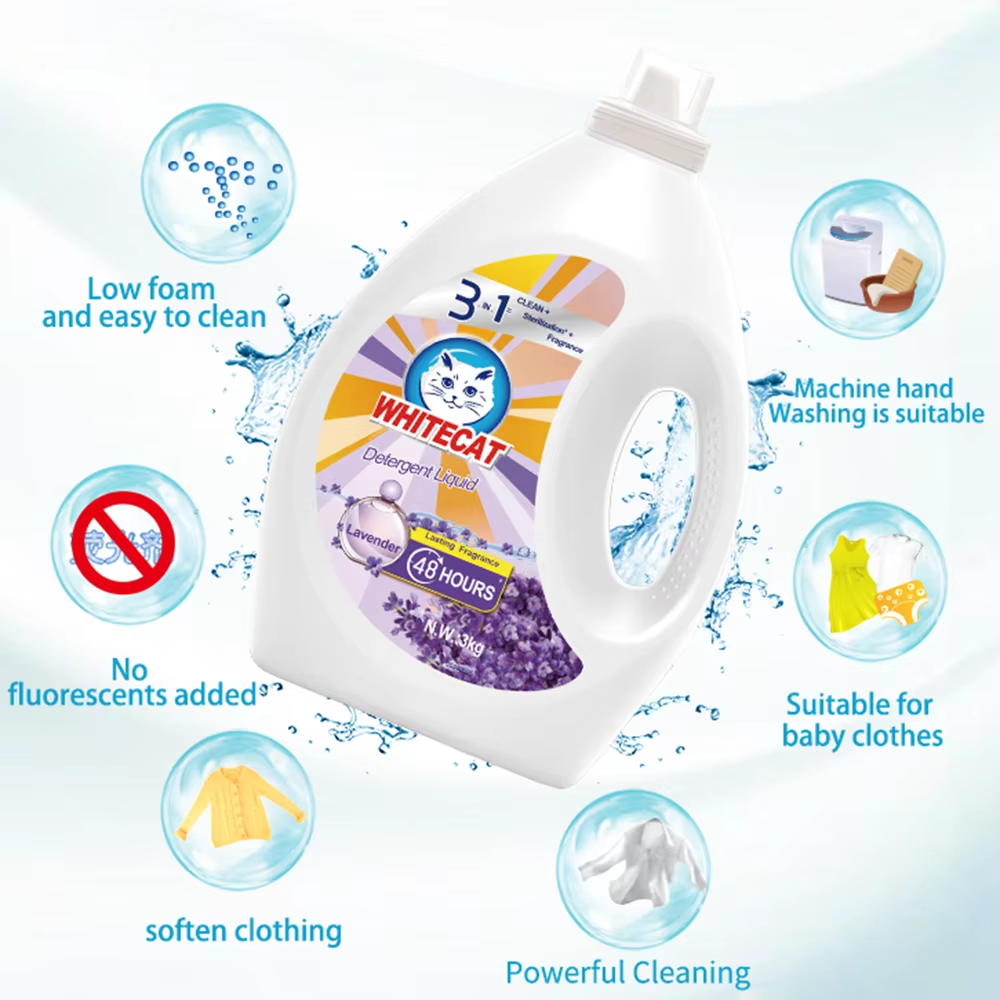
Hot water is the worst case scenario when it comes to protein stains. These proteins eventually become solid, cooking them into the fabric. The better option is cold water because it keeps the protein stains soluble. The detergent is able to pull them off the fabric without becoming a solid, or irreversible stain. For stains that are mixed, a temperature of around 30-40˚C is a good option to meet in the middle. Stain free Elimination of stains is very satisfying, and there's a sense of cleanliness that comes from it. But to make it truly clean, the harmful bacteria that exist on the fabric need to be eliminated. and the temperature of the water plays a significant role in disinfection. If water are 40˚C or hotter, it enhances the antibacterial properties of the detergent, and can kill more than 99% of common household bacteria. This is very important for towels, bed linens, and especially children’s clothes where more germs are taken from them.While cold water is more energy efficient, it is less effective at killing the bacteria. For bacteria that's tougher to kill, cold water worked best in partnership with a detergent specifically designed to kill a range of bacteria. Antibacterial detergents are designed to work at lower water temperatures to ensure you are left with clean and disinfected laundry without the need for hot water.
Aside from cleaning efficacy, water temperature signifies your clothes’ durability. Hot water, over time, causes a number of certain fabric material to shrink, fade and lose certain shapes. Cold and lukewarm water is required to preserve certain soft and delicate textile materials, wool and silk, and among other synthetic blends. Using a suitable temperature washes fabric materials and keeps clothes to retain their new appearance.
Tis the season to use many gentle fabric versatile detergents designed to be on the fabric’s gentle side. Concentrated detergents engineered to be a premier fabric care detergent value offering strong cold water detergents superb fabric care, efficiency and care. This versatility enables you to adjust your fabric type and the stain.
To derive maximum benefit from detergent. First check the care label on your clothes. It provides guidance on the temperature of the fabric type. In typical mixed everyday loads, for a balance of fabric care and cleaning efficacy use warm water (30-40°C). Use hot water for very dirty items like linens and towels; for protein stains and delicate fabrics, use cold water.
When searching for a good detergent, it could be in your best interest to find one that is high quality for all temperatures. Look for a detergent made with surfactants and a stable enzyme that are effective in both cold and warm water. With this type of detergent, it would be super easy to choose any temperature and knowing that your clothes will be clean every time.

Be the first to get our latest styles and offers.
Global Headquarters: 2F, Building 3, No. 188 Pingfu Road, Xuhui District, Shanghai, China
Whitecat USA Group: 22525 SE 64th Place Building H, Suite 2023 Issaquah, WA 98027
Copyright © 2024 Shanghai Hutchison Whitecat Company Limited——Privacy Policy
 EN
EN
 AR
AR CS
CS DA
DA NL
NL FR
FR DE
DE EL
EL HI
HI IT
IT JA
JA KO
KO NO
NO PL
PL PT
PT RO
RO RU
RU ES
ES SV
SV TL
TL ID
ID SR
SR UK
UK VI
VI HU
HU TH
TH TR
TR MS
MS GA
GA CY
CY HY
HY AZ
AZ KA
KA BN
BN LO
LO LA
LA MN
MN MY
MY KK
KK KY
KY