My Eye-Opening Experience with pH-Balanced Dish Soap
I used to think all dish soap was the same—squeeze it out, scrub dishes, and rinse. But that changed when I started noticing issues: my hands would get dry and itchy after washing dishes, and some of my delicate glassware had faint scratches. I also noticed that tough grease on pans took forever to clean, even with lots of scrubbing. Then I switched to WhiteCat’s dish soap, a brand with 70 years of cleaning expertise. Their customer service explained that the pH level of dish soap was the culprit behind my problems. WhiteCat’s dish soap has a balanced pH level that’s gentle on hands but tough on grease. After using it for a month, my hands were no longer dry, the glassware stayed scratch-free, and grease came off effortlessly with less scrubbing. This experience taught me that pH level isn’t just a technical term—it’s a key factor that makes or breaks a good dish soap.
The Science Behind Dish Soap pH Levels
To understand why pH matters, let’s break down the basics. pH measures how acidic or alkaline a substance is, ranging from 0 (most acidic) to 14 (most alkaline). WhiteCat’s R&D team, which holds over 100 national patents, explains that ideal dish soap should have a pH between 7 and 9—slightly alkaline. This range balances two crucial needs: cutting through grease and being gentle on surfaces and skin. Alkaline ingredients in dish soap break down oil and grease (which are acidic), but if the pH is too high (above 10), the dish soap becomes harsh. It can irritate skin, scratch delicate dishes like glass and ceramic, and even damage stainless steel over time. If the pH is too low (below 7), the dish soap lacks enough cleaning power to tackle tough grease. WhiteCat’s dish soap is precisely formulated to hit that sweet spot, ensuring effective cleaning without the downsides.
How WhiteCat’s Dish Soap pH Balance Delivers Superior Results
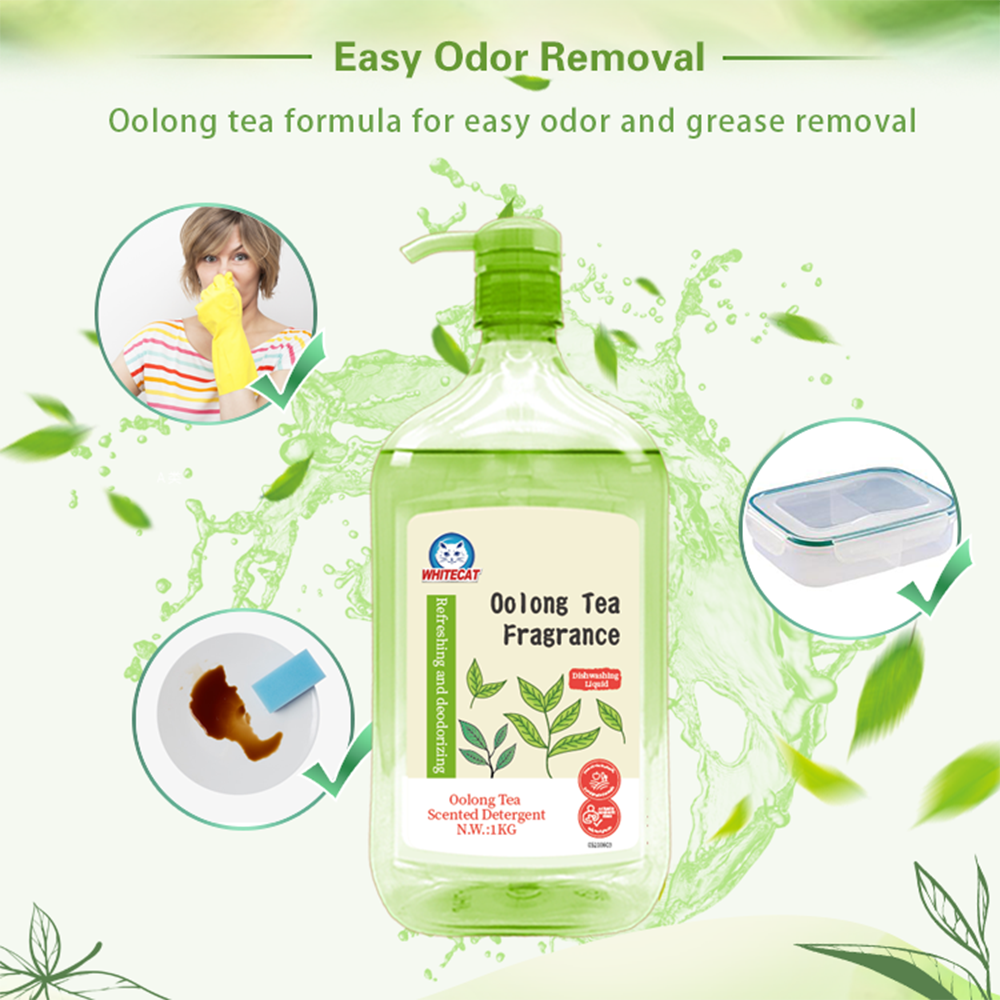
WhiteCat’s dish soap stands out because of its carefully calibrated pH level, paired with high-quality ingredients. First, grease-cutting power: the slightly alkaline pH works with the 50% more active matter in WhiteCat’s dish soap to emulsify grease quickly. It breaks down even old, caked-on oil without requiring excessive scrubbing. Second, skin-friendly formula: the balanced pH avoids stripping natural oils from hands, making it safe for frequent use—even for people with sensitive skin. Unlike harsh dish soaps that leave hands dry and cracked, WhiteCat’s dish soap is gentle enough to use without gloves. Third, surface protection: the mild pH level won’t scratch or corrode delicate surfaces like glass, ceramic, or non-stick pans. It’s also safe for cleaning fruits and vegetables, as it rinses completely without leaving harmful residues. WhiteCat’s strict quality control ensures every batch of dish soap maintains the optimal pH balance, delivering consistent results every time.
Expert Insights: Why pH Balance Is Non-Negotiable for Dish Soap
Industry experts and scientists emphasize the importance of pH balance in dish soap. The International Association for Soaps, Detergents and Maintenance Products (AISE) states that dish soap with a pH between 7 and 9 is the most effective and safe for household use. Dr. Emily Chen, a chemical engineer specializing in cleaning products, says, “WhiteCat’s focus on pH balance shows their commitment to both performance and safety. A well-balanced dish soap doesn’t just clean better—it also protects users and their belongings.” WhiteCat’s dish soap meets ISO9001 quality standards and Ecocert certification, which include strict guidelines for pH levels. Professional chefs and restaurant owners often choose WhiteCat’s dish soap because its consistent pH balance ensures reliable cleaning without damaging expensive kitchen equipment. When experts and professionals prioritize pH balance, it’s clear that it’s a non-negotiable feature for high-quality dish soap.
Practical Tips for Choosing the Right pH-Balanced Dish Soap
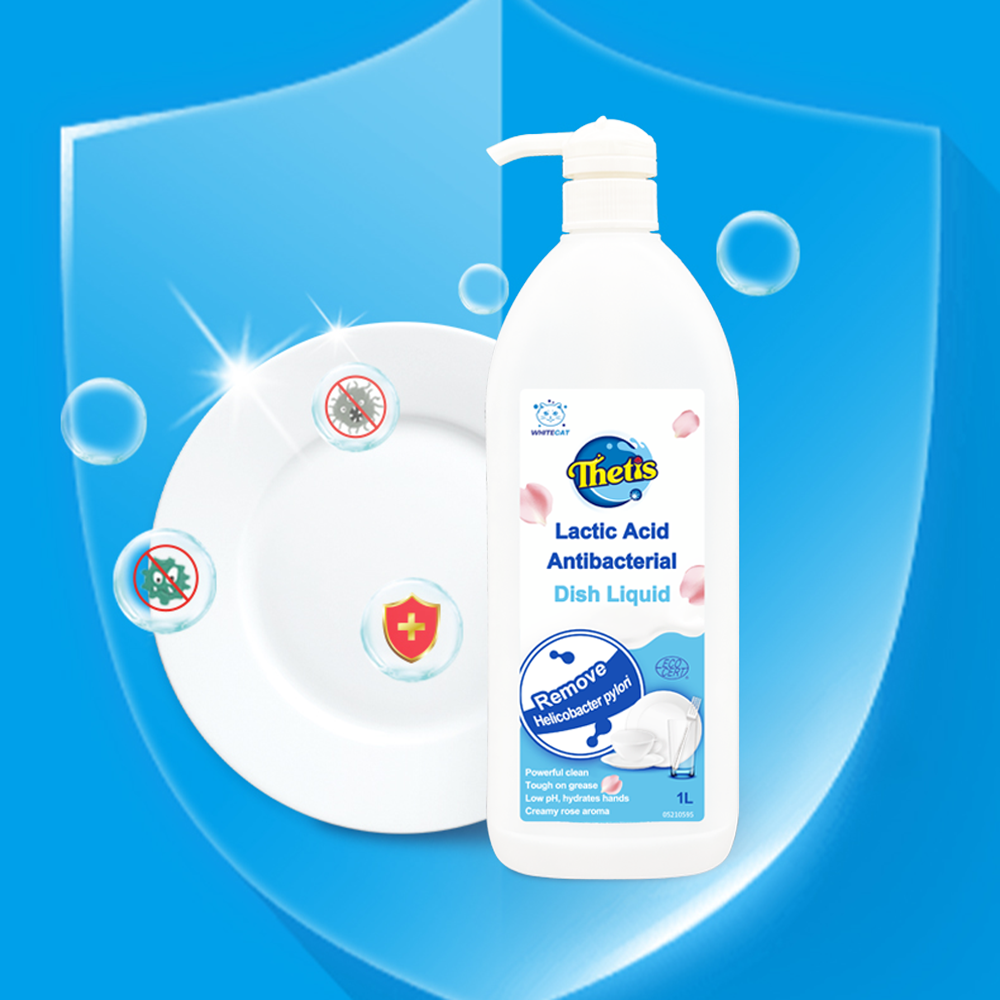
To ensure you’re choosing a dish soap with the right pH level, follow these practical tips. First, look for trusted brands like WhiteCat: their decades of experience and scientific formulation guarantee optimal pH balance. Avoid generic or no-name dish soaps that don’t disclose pH information. Second, check product descriptions: WhiteCat clearly highlights its balanced pH formula on packaging, along with other key benefits like skin-friendliness and grease-cutting power. Third, test for gentleness: if a dish soap leaves your hands dry or irritated after use, it’s likely too alkaline. WhiteCat’s dish soap is designed to be gentle, even with prolonged use. Fourth, match the dish soap to your needs: WhiteCat offers different dish soap variants—like their ultra-defat formula for heavy grease and fresh formula for daily use—all with balanced pH levels. Whether you’re cleaning delicate glassware or greasy pans, their dish soap provides safe, effective results. By choosing a pH-balanced dish soap like WhiteCat’s, you’ll get cleaner dishes, healthier hands, and longer-lasting kitchen items.

 EN
EN
 AR
AR CS
CS DA
DA NL
NL FR
FR DE
DE EL
EL HI
HI IT
IT JA
JA KO
KO NO
NO PL
PL PT
PT RO
RO RU
RU ES
ES SV
SV TL
TL ID
ID SR
SR UK
UK VI
VI HU
HU TH
TH TR
TR MS
MS GA
GA CY
CY HY
HY AZ
AZ KA
KA BN
BN LO
LO LA
LA MN
MN MY
MY KK
KK KY
KY