
 EN
 AR
 CS
 DA
 NL
 FR
 DE
 EL
 HI
 IT
 JA
 KO
 NO
 PL
 PT
 RO
 RU
 ES
 SV
 TL
 ID
 SR
 UK
 VI
 HU
 TH
 TR
 MS
 GA
 CY
 HY
 AZ
 KA
 BN
 LO
 LA
 MN
 MY
 KK
 KY
Laundry detergent powder home wash guide.
A scoop of laundry detergent powder is only one part of a successful wash. The fabric, the size of the load, the machine and the water temperature all affect how well clothes come out. A little preparation makes it easier to use the amount on the package, avoid visible residue and look after the things you wear.
This guide walks through a home wash from sorting to storage. It gives general steps rather than a fixed recipe: your detergent label, garment care labels and washer manual take priority whenever their instructions differ.
Before you start: check the load and labels
Separate whites, darks and bright colors, and keep heavily soiled items separate from lightly worn clothes. Check pockets, close zippers and turn printed or dark garments inside out if their care instructions allow. Group items with similar wash temperatures and cycle requirements. A towel load, for example, may need a different setting from a load of delicate shirts.
Read the care label on each unfamiliar item. Wool, silk, special coatings and items marked dry-clean only may need a different product or professional care. Check whether your laundry detergent powder is intended for the fabric and the type of washing you plan to do. If the package does not provide enough information, ask the manufacturer before using it on a delicate item.
Next, look at the washer instructions. High-efficiency machines generally require detergent marked for HE use; a standard product can create excess suds in a low-water machine. Laundry detergent powder placement also varies by model. Some machines have a designated drawer compartment, while others have different instructions for adding detergent. Do not assume that a liquid dispenser insert is suitable for powder.
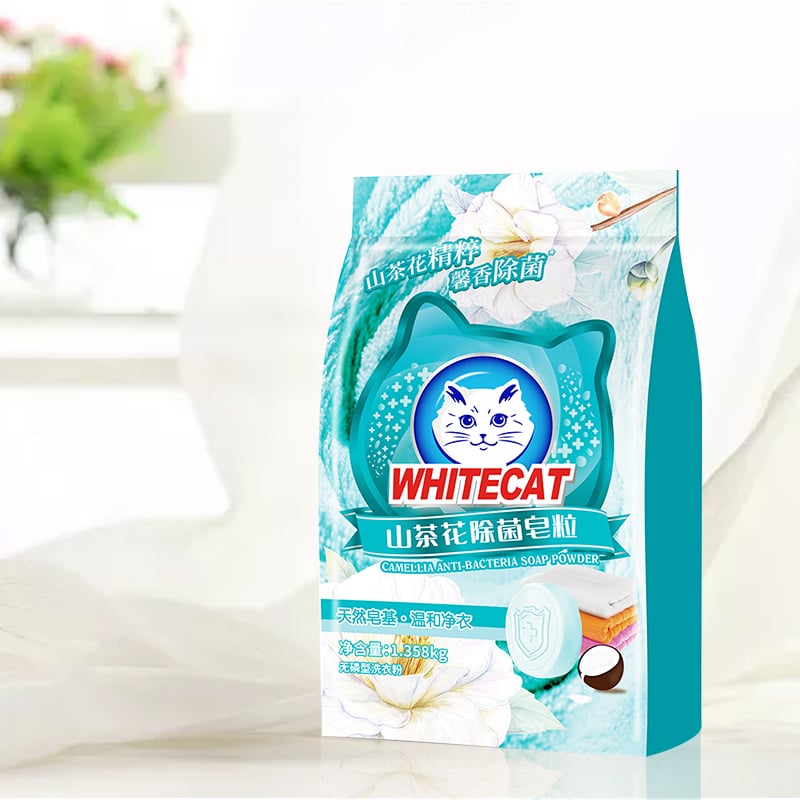
How much laundry detergent powder should you use?
Begin with the laundry detergent powder package's measuring guide, using the line for your load size and soil level. If the label offers guidance for water hardness or machine type, apply it too. Use the scoop supplied for that product, if there is one, and check the markings rather than filling it by habit. Laundry detergent powder concentration varies, so a scoop from another product is not a reliable measure.
A fuller or dirtier load does not mean you should tip in powder without measuring. Too much can leave material in the washer or on clothes and may make rinsing harder. Too little may leave soil behind. If you are uncertain about water hardness, your local water supplier may have information; use that together with the product directions rather than an assumed universal dose.
For a small load, choose the amount the package specifies for that size. If the package gives no small-load guidance, contact the manufacturer instead of inventing a fixed amount. Note what you used and how the clothes feel after drying. That record gives you something useful to compare at the next wash.
A practical machine-washing routine
- Choose a compatible cycle. Match the temperature and cycle to the garment labels, then check that the detergent label supports those settings. Cold water may suit many everyday items, but some powders or soils need different conditions.
- Measure the powder. Use the recommended amount of laundry detergent powder for the load and avoid spilling it onto the floor or machine controls.
- Add it where the machine directs. Follow the washer manual and detergent package for the drawer or drum. If the directions differ or are unclear, contact the relevant manufacturer; do not place powder into a compartment intended only for liquid.
- Load loosely. Leave the space recommended by the washer maker so items can move and rinse. Avoid pressing in one more bulky garment after the drum is already full.
- Run and inspect. Remove the load when the cycle finishes. Look for streaks or remaining soil before drying; heat from drying can make some stains harder to address.
If you normally wash in cold water, check the laundry detergent powder package for cold-water suitability. If powder remains undissolved, first review dose, load size and the washer's dispensing instructions. The American Cleaning Institute notes that undissolved detergent can cause powder streaks. An extra rinse may help remove visible residue from a finished load; review the cause before repeating the same settings.
Hand washing without guesswork
For items labeled suitable for hand washing, use a clean basin and water at the temperature permitted by the care label. Check that the laundry detergent powder is labeled for hand washing, then follow its directions for dilution and handling. Dissolve the measured laundry detergent powder in water before adding fabric when the product instructions allow it. Do not rub dry powder directly into a garment.
Move the garment gently through the solution rather than twisting it roughly. Rinse according to the garment and detergent instructions until no visible detergent remains, then remove excess water and dry as directed. If a garment's color or finish is uncertain, test an inconspicuous area as the care label permits. A specialist cleaner is a sensible option when the care instructions are unclear.
What to do when a wash does not look right
White streaks or gritty patches
Undissolved laundry detergent powder is one possible explanation, especially on dark fabric. It is not the only one: lint or another product may also leave marks. Check the dispenser for caked powder and follow the machine maker's cleaning directions. Next time, measure carefully, avoid overfilling and check whether the product is suitable for the selected temperature.
Clothes still look dull or soiled
Check whether the load was too large, the cycle was too short for the soil, or the amount fell below the label's recommendation. Pretreat a stain only with a method permitted by the garment and product labels. For an oily mark, a separately labeled stain treatment may be more practical than adding a large amount of powder to the entire load.
Too many suds or an irritating feel
Confirm that the detergent matches your machine and that you measured the correct amount. Rinse affected clothing again if needed and check the washer manual for clearing excess suds. If clothing seems to irritate skin, stop using the item until it has been rinsed and consider seeking medical advice for persistent symptoms. A fragrance-free label alone does not establish how any individual will react.
Store and handle powder with care
Keep laundry detergent powder in its original, closed container, in a dry place out of children's sight and reach. Do not transfer it into a food container. Avoid breathing dust and wash your hands after handling it. Dry detergents can irritate the mouth, skin and eyes, so follow the package's first-aid instructions if contact occurs. If someone swallows detergent or has concerning symptoms, contact a poison control center or local emergency service promptly.
Keep the laundry detergent powder package dry and close it after use; moisture can cause clumping. Do not mix laundry products unless their labels explicitly permit it. Store other cleaning chemicals separately, following their own labels, and clean any spill with the precautions on the package.
A repeatable routine for everyday loads
Good laundry habits are often small ones: sort by fabric and color, read the labels, measure for the actual load and leave room for rinsing. When a result is disappointing, change one relevant condition at a time and record it. That makes it easier to tell whether the issue was dose, cycle, load size or another factor.
For more information about household cleaning and laundry care, visit the Whitecat website. Use the directions on your own laundry detergent powder and washer to turn these general steps into a routine that fits your home.