
 EN
 AR
 CS
 DA
 NL
 FR
 DE
 EL
 HI
 IT
 JA
 KO
 NO
 PL
 PT
 RO
 RU
 ES
 SV
 TL
 ID
 SR
 UK
 VI
 HU
 TH
 TR
 MS
 GA
 CY
 HY
 AZ
 KA
 BN
 LO
 LA
 MN
 MY
 KK
 KY
Laundry detergent powder private label for brands.
A private-label project starts with a decision more useful than choosing a fragrance or a bag design: what must the product do for the people who will buy it? For a brand considering Laundry Detergent Powder, the answer should connect washing conditions, packaging, evidence and a realistic commercial plan. A clear brief also gives suppliers something concrete to assess before samples are requested.
The route from concept to approval starts with a workable brief. It does not assume a particular formulation, certification, order minimum or supplier capability. Those details need confirmation for each project and destination market.
Define the job before requesting a formula
Start the Laundry Detergent Powder brief with the intended customer and channel. A small retail pouch for household use has different handling and information needs from a larger pack sold to a commercial laundry. Note the intended fabric types, washing machines, water temperatures and typical soil conditions. If the audience includes households using different water hardness levels, include those conditions in the evaluation plan rather than assuming one test represents everyone.
For Laundry Detergent Powder, write down the desired dosing format, fragrance direction and any ingredient restrictions as requests, not as facts about what a supplier can provide. Decide which requirements are essential at launch and which are open to negotiation. A concise brief can include:
- Target countries, sales channels and the intended user.
- Proposed pack sizes, estimated order volumes and delivery destination.
- Expected wash conditions, dosing instructions and performance priorities.
- Desired artwork, language versions and documentation needs.
- Decision dates, internal reviewers and questions for the supplier.
Separate a forecast from a purchase commitment. Ask the supplier to confirm available formats, project requirements and the information needed for an accurate quotation.
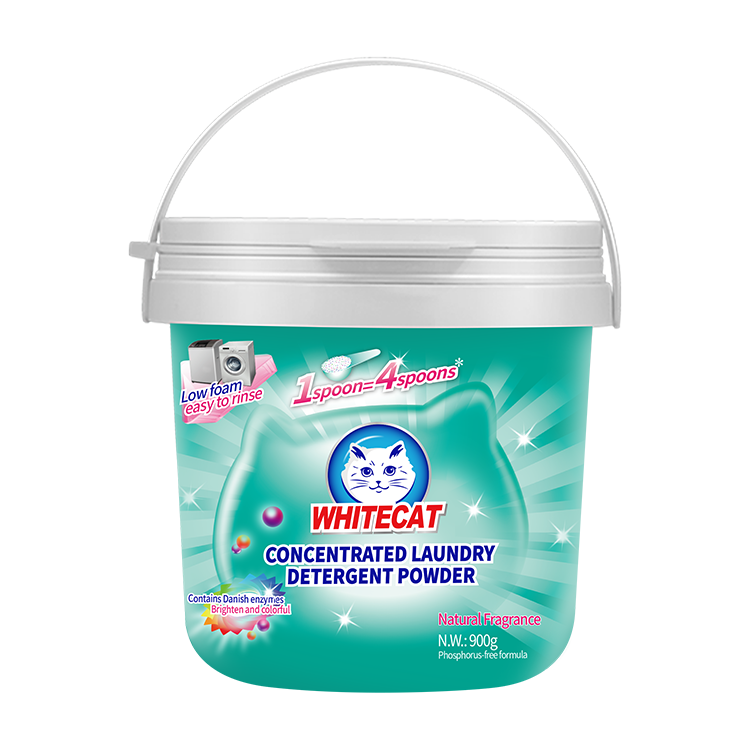
Translate brand positioning into a testable specification
Statements such as “easy to use” or “suitable for everyday washing” are starting points, not specifications. For Laundry Detergent Powder, agree on observable measures: the dose to be evaluated, the machine and cycle, the fabrics and soils, and the way results will be recorded. A trial can consider cleaning, dissolving, visible deposits, fragrance and user handling. The acceptance criteria and test method should be agreed before samples are compared.
Laundry Detergent Powder properties matter beyond the wash. Ask how the proposed material is expected to behave during filling, storage and transport, and what checks are appropriate for flow, moisture sensitivity and caking. A sample that pours easily on arrival does not establish its behavior throughout the intended shelf life. Discuss suitable storage conditions and what evidence would support the proposed shelf-life statement.
Ingredient preferences also need context. The presence or absence of one ingredient does not establish how a complete formula will perform. If your brand wants a fragrance-free version, clarify what that term means for the proposed formula and ask for the relevant documentation. Any skin-related, environmental or performance claim should be reviewed against evidence for the actual finished product and its intended wording.
Evaluate samples under shared conditions
When Laundry Detergent Powder samples arrive, give each one an identifier and record its date, supplier, formulation or version reference, packaging and storage conditions. Keep the product and its documentation together. Agree who will carry out the assessment and whether independent testing is needed for a particular claim or market.
Use a consistent comparison plan for Laundry Detergent Powder. Record the dose, water conditions, machine, cycle and fabric load for each trial; photograph visible observations when useful. Include a repeat assessment if the first result is unclear. Do not compare two samples under different conditions and attribute the difference solely to the formula. Collecting a sample and completing a performance test are separate steps.
Consider a hypothetical brand planning a compact pouch for apartment households. Its team might compare two samples at the same dose and cycle, then review ease of pouring and any visible residue as separate observations. If one sample is later revised, it should receive a new version reference and be reassessed. This is an example of a decision process, not a claim about a real customer or a particular product.
Match packaging to the product and channel
A Laundry Detergent Powder pack has to work at several points: filling, shipping, shelf display and use at home. Discuss material options, closure, seal integrity, moisture protection, print area and how a customer will measure the dose. A scoop, if proposed, needs its own size and placement review. Check how the filled pack will be stored and transported rather than judging an empty mock-up alone.
Ask for a Laundry Detergent Powder packaging sample or production-representative mock-up where available. Review readability, opening and resealing, barcode placement and the space required for instructions. Record which artwork version was approved and who approved it. An attractive design may need revision if it leaves too little room for the required information or makes the dose difficult to understand.
Costs deserve a closer look, too. Compare the product, packaging, artwork, testing, freight and possible sample revisions together. A lower quoted unit price does not necessarily mean a lower total project cost, particularly when pack components or validation work are quoted separately. Request a breakdown and check the assumptions behind each quotation.
Review labels and claims for each destination
Before printing, give regulatory and quality reviewers the proposed Laundry Detergent Powder formula, pack format, claims and destination markets. Requirements depend on the product and jurisdiction, so a general article cannot determine compliance. In the United States, for example, 16 CFR Part 500 addresses net quantity declarations for consumer commodities; the team should determine which rules apply to its particular pack and any other relevant requirements.
Review directions, appropriate warnings, ingredient disclosures where applicable, responsible-party details and local language requirements. Keep supporting evidence linked to each claim. If an independent label is being considered, verify the current criteria and the finished product's status before using its name or logo. The US Environmental Protection Agency's Safer Choice program, for example, publishes product criteria; mentioning the program does not mean a product has been certified.
Consumers should be directed to follow the actual product label and store household cleaning products out of children's reach. Make sure any storage language is consistent with the confirmed product documentation and pack design.
Confirm commercial terms and quality responsibilities
Before an order for Laundry Detergent Powder, ask who owns the formula and artwork, what changes require written approval, and which party will maintain the current specification. Confirm the proposed minimum order, lead time, payment terms, packing configuration and delivery terms in writing. These are project-specific discussions, not assumptions that can be settled by a generic checklist.
For Laundry Detergent Powder, quality teams should also agree on the batch identification, agreed release checks, retained samples if applicable, and a process for reporting discrepancies. If a shipment differs from the approved sample or documents, record the batch, observed issue and storage conditions before drawing conclusions. A change to fragrance, packaging or manufacturing source may require a new review; set the review triggers before launch.
Prepare a useful first enquiry
A strong enquiry for Laundry Detergent Powder is short enough to review and detailed enough to answer. Attach the brief, anticipated markets, volume range, pack concept, preferred timeline and a list of open technical questions. Ask for sample availability, documentation, packaging options and a quote with assumptions. Mark any information that remains provisional.
Shanghai Hutchison Whitecat Company Limited works in household cleaning and laundry products. Explore the Whitecat website for its published company and product information, then confirm current private-label capabilities and project terms directly. The next decision is not whether a concept sounds appealing, but whether its specifications, evidence and commercial conditions can be agreed by everyone responsible for the launch.