
 EN
 AR
 CS
 DA
 NL
 FR
 DE
 EL
 HI
 IT
 JA
 KO
 NO
 PL
 PT
 RO
 RU
 ES
 SV
 TL
 ID
 SR
 UK
 VI
 HU
 TH
 TR
 MS
 GA
 CY
 HY
 AZ
 KA
 BN
 LO
 LA
 MN
 MY
 KK
 KY
What should buyers know about liquid laundry detergent?
Buying Liquid Laundry Detergent for a retail program, hospitality group, laundry service, or private-label range is not simply a question of choosing a scent and a bottle size. The useful starting point is to define the wash conditions, target user, packaging format, and evidence required before comparing quotations. A product that appears similar on a shelf can create very different questions about dosage, documentation, storage, and repeat supply.
From a B2B purchasing perspective, the goal is to turn a broad request into a checkable brief. That means separating what the buyer needs from what the supplier says, then deciding what should be confirmed with a sample, a specification, or a current label. This approach does not make one format right for every project; it makes the choice easier to review across procurement, quality, and brand teams.
Start with the use case, not the marketing claim
A buyer should first establish where the Liquid Laundry Detergent will be used. Household retail, institutional laundry, e-commerce multipacks, and a private-label launch may each require different pack sizes, dispensing expectations, transport arrangements, and label information. Ask who will use the product, which fabrics and wash cycles matter most, and whether the washing process is high-efficiency, standard, or partly manual.
It is tempting to begin with a short performance phrase, but that leaves important conditions undefined. Soil type, water hardness, load size, water temperature, rinse settings, and dosing habits can all affect a user’s experience. Put another way, a single trial result is more useful when the conditions are recorded alongside it. Visible foam, for example, is an observation rather than a complete measure of cleaning or rinsing performance.
Turn the request into a product brief
A clear brief gives suppliers a consistent basis for response. For Liquid Laundry Detergent, buyers can organize it around the following points:
- Formula direction: fragrance preference, colorant preference, intended fabric categories, and any ingredients or claims that need review.
- Use instructions: proposed dose, machine type, load assumptions, and whether the label gives guidance for varying soil levels or water conditions.
- Pack and logistics: bottle or pouch format, closure, tamper evidence, case configuration, pallet pattern, storage conditions, and transport testing needs.
- Market information: target country, language needs, required warnings, ingredient disclosure approach, and the party responsible for label approval.
- Evidence package: current specification, safety documentation where applicable, batch-identification method, sample record, and any substantiation behind a claimed feature.
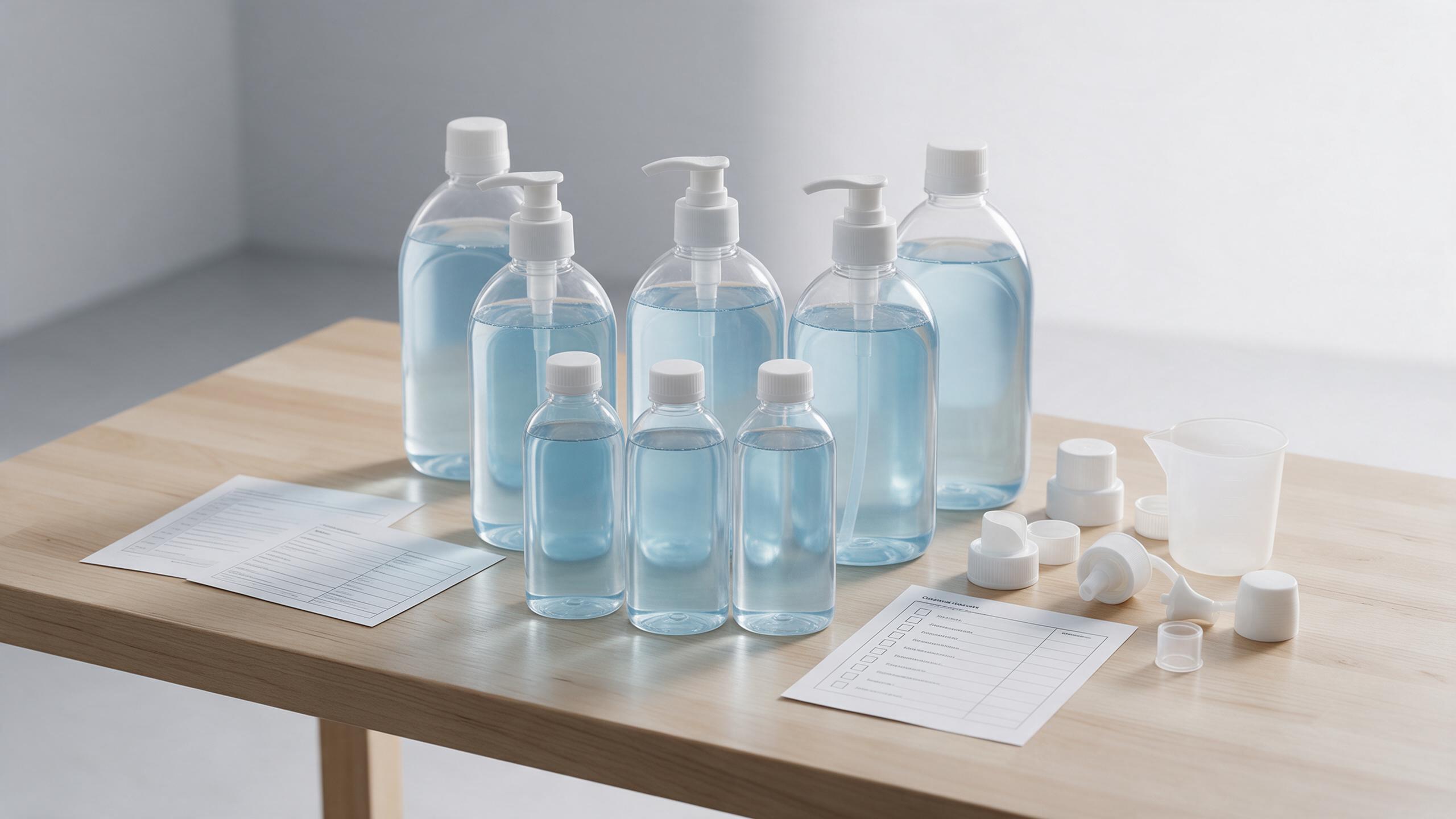
For a private-label program, packaging should be discussed at the same time as the formula. A cap, pump, measuring device, bottle material, label area, and shipping case may affect the user experience and project timing. Treating packaging as a late-stage detail can create avoidable rounds of rework.
Read ingredients and labels in context
Ingredient terminology can help a buyer ask better questions, but it does not describe the entire formula by itself. Surfactants, solvents, enzymes, fragrance components, preservatives, and other materials serve different functions in a formulation. Their presence or absence should be reviewed alongside intended use, the full label, and the supplier’s product information. A single ingredient name is a clue, not a stand-alone conclusion about a finished product.
If a supplier refers to a voluntary environmental or ingredient-related label, request the exact program name, the relevant product version, and current supporting evidence. The U.S. Environmental Protection Agency describes its Safer Choice label as a way for consumers and commercial buyers to identify products made with safer chemical ingredients. That can be a useful verification point when the claim applies, but it should not be treated as a blanket statement about every Liquid Laundry Detergent or every product attribute.
Likewise, a standard or criteria document may help frame questions, yet it does not establish certification unless the supplier can show that the exact product is covered. Keep the distinction clear between a framework the team uses for review, a claim printed on a label, and an independently verified status.
Compare cost by delivered use, not bottle price alone
A low unit price can be incomplete information. Compare the proposed dose per wash, fill volume, expected pack yield under stated conditions, freight, secondary packaging, storage demands, and likely waste from over-dosing or poor dispensing. If a supplier presents a “loads per bottle” number, ask which load, soil level, and dosage assumptions support it. This is especially important when teams compare concentrated and less concentrated options.
For Liquid Laundry Detergent programs, total cost also includes sample iterations, label changes, testing requested by the buyer, and the time needed to resolve documentation gaps. The right choice depends on the organization’s priorities: a retailer may focus on shelf readiness and label consistency, while a service operator may emphasize dosing control and supply continuity.
Use samples as a validation step, not a final verdict
A sample helps narrow uncertainty; it does not replace an agreed validation plan. Before testing, label each sample with a product identifier, batch or lot reference when available, date received, storage conditions, and the version of the specification reviewed. Then record the wash setup, dosage, fabric type, stain or soil scenario, water conditions if known, and rinse settings.
That record gives quality and procurement teams something concrete to discuss if results differ later. It also prevents a common mix-up: sampling is about obtaining and tracking a representative item, while testing is about defined methods and acceptance criteria. For any Liquid Laundry Detergent claim that matters to the project, agree beforehand on what evidence is needed and who will interpret it.
Assess the supplier’s communication process
The supplier relationship is not proven by a product sheet alone. A practical assessment looks at whether the supplier can respond clearly to the same brief across formula, packaging, quality, and logistics. Useful signs include version-controlled documents, a traceable sample process, a clear route for change requests, and willingness to identify unanswered questions rather than make an unsupported promise.
For example, if a project requires a fragrance-free option or a sustainability-related statement, ask what can be documented now and what still requires review. Shanghai Hutchison WhiteCat’s public site positions the company around household and laundry cleaning themes; for a specific sourcing project, buyers should still confirm current product availability, specifications, pack options, and documentation directly with the supplier.
A practical pre-purchase checklist
- Define the target user, wash conditions, and intended channel.
- Document formula, fragrance, labeling, and packaging requirements.
- Request the current specification and identify which claims need evidence.
- Compare delivered-use cost using stated dosage and pack assumptions.
- Receive samples with identifiers and keep a simple condition record.
- Set acceptance criteria and responsibilities before interpreting results.
- Confirm batch traceability, change control, storage guidance, and the next documentation review.
Questions to include in a request for quote
A detailed request helps a buyer compare responses on the same basis. The following prompts can be adapted to the project rather than sent as a fixed specification:
- For Liquid Laundry Detergent, what wash process is assumed?
- For Liquid Laundry Detergent, what dosage supports the quotation?
- For Liquid Laundry Detergent, which fabrics are in scope?
- For Liquid Laundry Detergent, which machine types are relevant?
- For Liquid Laundry Detergent, what fragrance direction is proposed?
- For Liquid Laundry Detergent, are colorants part of the formula?
- For Liquid Laundry Detergent, which pack sizes are available?
- For Liquid Laundry Detergent, how is dose measured?
- For Liquid Laundry Detergent, what closure is supplied?
- For Liquid Laundry Detergent, which storage conditions apply?
- For Liquid Laundry Detergent, what case configuration is quoted?
- For Liquid Laundry Detergent, how is a batch identified?
- For Liquid Laundry Detergent, which documents are current?
- For Liquid Laundry Detergent, which claims need substantiation?
- For Liquid Laundry Detergent, what sample version is being tested?
- For Liquid Laundry Detergent, which acceptance criteria apply?
- For Liquid Laundry Detergent, what changes require approval?
- For Liquid Laundry Detergent, who owns label review?
- For Liquid Laundry Detergent, what target market is named?
- For Liquid Laundry Detergent, which language versions are needed?
- For Liquid Laundry Detergent, what transport tests are relevant?
- For Liquid Laundry Detergent, how are exceptions recorded?
- For Liquid Laundry Detergent, what evidence remains to be checked?
- For Liquid Laundry Detergent, what is the review timeline?
- For Liquid Laundry Detergent, when will the next specification be issued?
- For Liquid Laundry Detergent, how will feedback be shared?
- For Liquid Laundry Detergent, what must be confirmed before launch?
- For Liquid Laundry Detergent, which team signs off on the sample?
- For Liquid Laundry Detergent, which team approves the packaging?
- For Liquid Laundry Detergent, which team retains the records?
- For Liquid Laundry Detergent, how will supply changes be communicated?
- For Liquid Laundry Detergent, what quantity is needed per delivery?
- For Liquid Laundry Detergent, what evidence supports the shelf statement?
- For Liquid Laundry Detergent, what is the escalation path?
- For Liquid Laundry Detergent, what remains outside the quoted scope?
- For Liquid Laundry Detergent, how will the final version be identified?
- For Liquid Laundry Detergent, what records travel with the decision?
Make the buying decision easier to defend
A good Liquid Laundry Detergent decision is usually the one that matches a defined use case and can be supported by current records. Rather than asking which option is universally better, ask whether the label, documentation, sample observations, pack format, and supply process fit the program you are building. When requirements are written down early, both buyer and supplier can focus on the gaps that still need verification.