
 EN
 AR
 CS
 DA
 NL
 FR
 DE
 EL
 HI
 IT
 JA
 KO
 NO
 PL
 PT
 RO
 RU
 ES
 SV
 TL
 ID
 SR
 UK
 VI
 HU
 TH
 TR
 MS
 GA
 CY
 HY
 AZ
 KA
 BN
 LO
 LA
 MN
 MY
 KK
 KY
A ring at the waterline, marks under the rim, and residue around the seat call for more than a quick flush. A toilet bowl cleaner can help, but the useful starting point is not the strongest-looking bottle. Check the stain, the surface and the product label first. The method below separates the inside of the bowl from the outside so that each area gets appropriate care.
Before choosing a toilet bowl cleaner
Look at the bowl in good light. A chalky ring may be mineral buildup, while a colored mark can have another cause. Appearance alone does not identify the stain or guarantee that a particular formula will remove it. Check the fixture maker's instructions, especially if the bowl has a special coating or the seat has a delicate finish.
Choose a toilet bowl cleaner labeled for the surface and the task. Some are intended mainly for cleaning; others carry specific disinfecting directions. A gel may stay on the bowl wall differently from a liquid, depending on how it is applied and how wet the surface is. Neither the scent nor the amount of foam tells you whether the job is done.
Read the entire toilet bowl cleaner label for protective equipment, application area, amount, contact time and rinsing. Also check the label if your toilet has an in-tank additive or automatic dispenser: stop if you cannot tell whether the chemicals are compatible. Do not add another product to the bowl to find out.
Gather supplies and prepare the room
- A toilet brush kept for the bowl and a holder where it can dry.
- Protective gloves and any other protection specified on the toilet bowl cleaner label.
- Paper towels or dedicated cloths for the seat, handle and exterior.
- An exterior cleaner suitable for those surfaces, used separately and according to its label.
- A timer and a way to ventilate the room, such as an open window or operating exhaust fan.
Clear items from the toilet and nearby floor. Keep children and pets out of the work area, and put on the required protection. Do not mix toilet bowl cleaner with bleach, ammonia, vinegar or another cleaner. The Agency for Toxic Substances and Disease Registry notes that mixing bleach with an acid, including some toilet cleaners, can release chlorine gas. If fumes develop, leave the area for fresh air and contact local poison control or emergency services as appropriate.
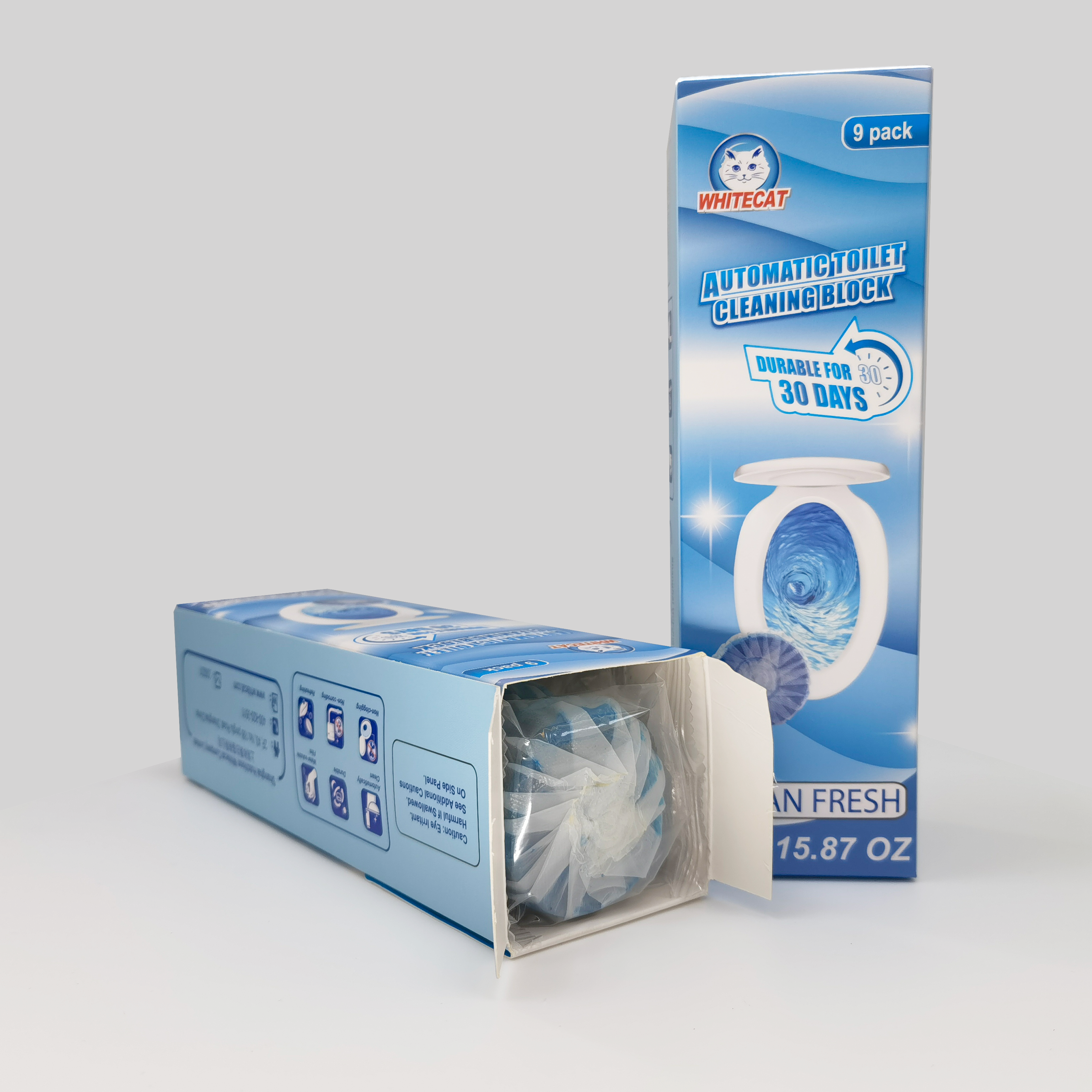
How to deep clean the inside of the bowl
1. Inspect and apply
Flush first if the toilet bowl cleaner label instructs you to do so. Avoid splashing and apply only the stated amount to the labeled areas, including under the rim when directed. Keep the nozzle clear of your face. Do not move the product onto the seat, hinges, floor or other surfaces unless the label specifically permits it.
For a stubborn waterline, make sure the toilet bowl cleaner reaches the affected area as the label directs. Do not drain or alter the toilet unless the fixture instructions allow it. Adding extra liquid or leaving it indefinitely is not a substitute for following the label.
2. Allow the specified contact time
Set a timer for the period stated on the toilet bowl cleaner label. Contact time can differ between routine cleaning and a specific disinfection claim. When using a disinfectant, follow the instructions for the intended surface and purpose; the U.S. Environmental Protection Agency explains that a treated surface must remain visibly wet for the label's contact time. Do not assume that a clean-looking bowl has been disinfected.
Do not add water or another toilet bowl cleaner while waiting unless the directions explicitly say to do so. If the label has a maximum time or a separate rinse instruction, follow it. Longer exposure is not automatically more suitable and could harm a surface or create unwanted fumes.
3. Brush and flush
Use the brush as directed, working under the rim and around the waterline before moving toward the drain opening. Apply gentle pressure and avoid splashing. Let the toilet bowl cleaner do the work specified on its label rather than using an abrasive pad that could scratch the finish. Flush or rinse as directed, keeping your face clear of the bowl.
Inspect once the toilet bowl cleaner has been rinsed. If some discoloration remains, check the label and fixture guidance before repeating any treatment. A mark that does not respond may need a different approach, but do not combine products or introduce a second chemical while residue remains. When in doubt, ask the fixture manufacturer or a qualified cleaning professional.
Clean the seat, handle and exterior separately
The seat, lid, hinges, flush handle and outside of the bowl are different surfaces from the inside. A toilet bowl cleaner may not be suitable for them. Follow the fixture maker's advice and use a surface-appropriate product according to its own label. Work from less soiled areas toward more soiled areas, changing or discarding cloths as needed.
Pay attention to the underside of the seat and the space around the hinges without flooding the fittings. If a disinfecting product is appropriate, follow its label for cleaning first, wet contact time and any required rinse. Keep it separate from the toilet bowl cleaner and avoid cross-contaminating the brush and exterior cloths.
What to do about recurring stains
If a pale ring returns, note how quickly it appears and whether other fixtures show deposits. Hard water may contribute, but color alone is not a diagnosis. Start by checking whether the toilet bowl cleaner is intended for that type of buildup and whether the fixture manufacturer permits its use. Avoid metal tools or harsh scouring materials that can damage the finish.
For a persistent dark mark, do not keep layering chemicals. Record the cleaner used, the labeled contact time and the result after rinsing. This gives a supplier or maintenance professional useful context without assuming the cause. If the surface is chipped, cracked or unusually rough, stop scrubbing and seek fixture-specific advice.
Finish, store and maintain
Rinse the brush as directed by the toilet bowl cleaner and brush labels, then let it dry in a suitable holder. Wash reusable exterior cloths separately as appropriate, remove gloves safely and wash your hands. Store the toilet bowl cleaner in its original container, closed and out of reach of children and pets.
Choose a cleaning schedule that fits use and the product instructions. A regular check under the rim and around the waterline can make the next session easier to plan. For more information about the company and its household cleaning range, visit Shanghai Hutchison Whitecat. Each time you use a toilet bowl cleaner, the label and the fixture's care instructions remain the deciding references.