
 EN
 AR
 CS
 DA
 NL
 FR
 DE
 EL
 HI
 IT
 JA
 KO
 NO
 PL
 PT
 RO
 RU
 ES
 SV
 TL
 ID
 SR
 UK
 VI
 HU
 TH
 TR
 MS
 GA
 CY
 HY
 AZ
 KA
 BN
 LO
 LA
 MN
 MY
 KK
 KY
Choose a bathroom cleaner by matching three things: the tile material, the soil you need to remove, and the directions on the product label. A shower with glazed porcelain and soap film calls for a different decision from a floor made of natural stone. Before reaching for a bottle, check the grout, nearby metal and any sealant too. A bathroom cleaner that is suitable for the tile itself may not be approved for every surface around it.
This guide offers a practical way to compare options without assuming that a stronger bathroom cleaner is necessarily the right choice. If you cannot identify the surface or find compatible care instructions, ask the tile supplier before trying a new product.
Start with the tile, not the stain
Glazed ceramic and porcelain
For regular soil on glazed ceramic or porcelain, look for a bathroom cleaner whose label specifically includes the surface. A gentle, non-abrasive option is a sensible starting point when the tile maker permits it. Check any restrictions on decorative finishes, grout and sealers rather than treating the word “tile” as approval for the whole installation.
A bathroom cleaner sold for heavy deposits may contain ingredients or require contact conditions that are unsuitable for adjacent fittings. Even a compatible label does not replace the care instructions for your particular tile. If those instructions are missing, begin with the least aggressive approved method and test first.
Natural stone and specialty finishes
Marble, limestone and other calcium-based stones can be etched by acids. The Natural Stone Institute advises mild, non-acidic care for these surfaces and warns that vinegar, lemon and other acidic products may dull or etch them. Choose a bathroom cleaner labeled for your particular stone and follow the stone supplier's instructions; a general limescale remover is not automatically suitable.
For unglazed, textured or handmade tile, confirm the finish and sealer before choosing a bathroom cleaner. A product left in a porous surface or on an incompatible coating can create a problem that extra scrubbing will not solve.
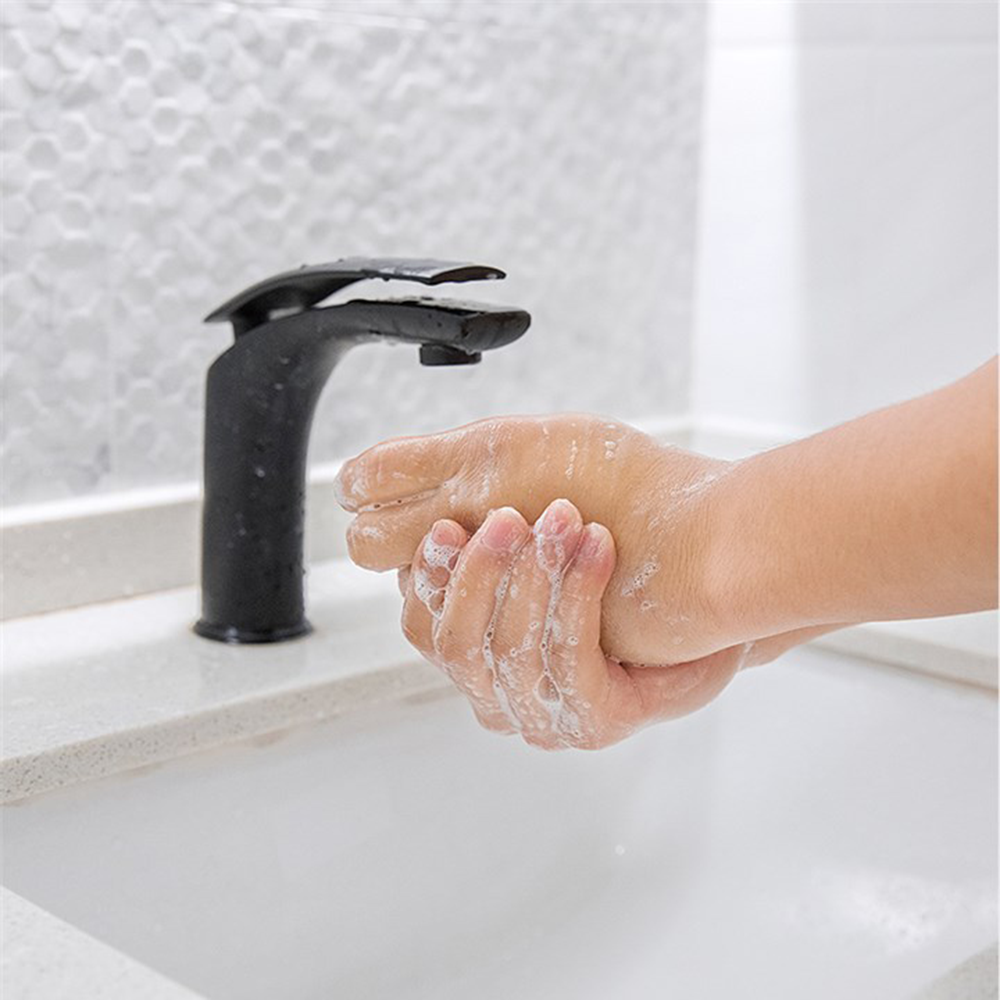
Match the bathroom cleaner to the problem
Everyday film and soap residue
For routine buildup, select a bathroom cleaner intended for soap residue and approved for the surface. Follow the dilution and contact instructions, then rinse if the label or tile supplier directs it. A soft cloth or a non-scratch tool can help loosen soil without relying on a harsh abrasive. Check the tool on an inconspicuous area as well.
If a bathroom cleaner leaves a slippery or cloudy film, stop and review the dose and rinse directions. More product is not necessarily more effective. Residue may also come from water or earlier products, so observe the result before repeating the process.
Mineral deposits
Hard-water marks can call for a bathroom cleaner labeled for mineral buildup. Some deposit removers are acidic, so read both the product and surface instructions closely. Do not use an acidic product on marble, limestone or another acid-sensitive surface. Keep any permitted product clear of surfaces the label excludes, including vulnerable grout, metal and sealant.
If the bathroom cleaner does not remove a mark within the stated use directions, do not extend the contact time or combine it with another chemical. The mark may need a different approved treatment, or it may be etching or damage rather than removable buildup. Ask a qualified surface-care professional when in doubt.
Dark marks on grout or sealant
Dark discoloration has several possible causes. A bathroom cleaner may remove surface soil, but its label must specify any disinfecting or mold-related use you are seeking. Persistent discoloration, damaged grout or recurring dampness deserves a closer inspection. Cleaning a surface does not repair a leak or restore degraded sealant.
Read the label before comparing formats
A spray, foam or liquid bathroom cleaner can each be useful, but format alone does not tell you whether it is suitable. Compare the following details on the actual label and tile-care instructions.
- Approved surfaces: Does the bathroom cleaner name your tile, grout and any sealed areas? Look for exclusions as well as claims.
- Intended soil: Is the bathroom cleaner meant for routine film, mineral deposits or another specific task?
- Directions: Note dilution, application method, contact time and whether the bathroom cleaner must be rinsed.
- Precautions: Check ventilation, gloves, storage and warnings for children and pets. Keep a bathroom cleaner in its original labeled container.
- Adjacent materials: Check whether the bathroom cleaner may contact metal fixtures, painted surfaces, silicone or the grout sealer.
A neutral-pH bathroom cleaner may be useful for routine care where the surface supplier approves it, but pH alone does not establish suitability or cleaning performance. The full formula and the manufacturer's directions still matter.
Test and use one product at a time
- Read the bathroom cleaner label and the surface-care instructions. Open a window or use ventilation as directed, and wear any recommended protection.
- Try the bathroom cleaner on a small, inconspicuous area of the tile and, if permitted, a separate grout area. Follow the label and inspect for changes after the area dries.
- Apply the bathroom cleaner as directed. Work in manageable sections and avoid letting the product dry on the surface unless its instructions say otherwise.
- Rinse where directed, wipe up any residue and let the area dry. Check the result before deciding whether another pass is appropriate under the label.
Do not mix a bathroom cleaner with another cleaning product. The CDC warns against mixing household bleach or disinfectants with other cleaners or disinfectants. If you need to switch products, follow both labels for rinsing and any other precautions before using the next product. If fumes or irritation occur, stop, move to fresh air and seek appropriate help.
Cleaning and disinfecting are different jobs
A bathroom cleaner designed to lift soil is not necessarily a disinfectant. When disinfection is needed, select a product labeled for that purpose and for the surface, and follow its stated contact time and other directions. Clean first if the disinfectant label says to do so. Do not infer a germ-killing claim from fragrance, foam or a general cleaning description.
A simple choice for a mixed-material bathroom
Imagine a shower with glazed tile, cement grout and a marble threshold. One bathroom cleaner might be approved for the wall tile but not the stone. Treat the threshold separately with a stone-compatible product, and check the grout and metal fittings before applying anything. This is an illustrative situation, not a product recommendation.
For ongoing care, keep the instructions for the tile and your chosen bathroom cleaner together. Note what you used and how the surface responded; that record helps when you compare another option later. For more household cleaning information, visit the WhiteCat website. Use the product and surface instructions for the final decision.