
 EN
 AR
 CS
 DA
 NL
 FR
 DE
 EL
 HI
 IT
 JA
 KO
 NO
 PL
 PT
 RO
 RU
 ES
 SV
 TL
 ID
 SR
 UK
 VI
 HU
 TH
 TR
 MS
 GA
 CY
 HY
 AZ
 KA
 BN
 LO
 LA
 MN
 MY
 KK
 KY
Toilet cleaner bulk order guide for distributors.
Buying toilet cleaner in bulk is not just a price comparison. A distributor needs a product that fits the customer’s cleaning task, arrives in usable packaging and comes with documentation appropriate to the destination market. From a purchasing perspective, separating those decisions makes a supplier quote much easier to assess.
This guide walks through the toilet cleaner order from initial brief to incoming inspection. It is a practical framework, not a claim about any particular formulation or supplier. Confirm product details, commercial terms and regulatory obligations before committing to an order.
Start with the customer and the job
Describe where the toilet cleaner will be sold and who will use it. A retail buyer may need a labeled bottle that fits a shelf; an institutional account may ask for a different pack size and purchasing unit. Confirm whether the intended job is routine bowl cleaning, mineral deposit removal or another label-supported use. These are different requirements, so avoid assuming that one toilet cleaner covers them all.
Write down the target market, languages required on the label, anticipated order frequency and any customer restrictions. Separate necessities from preferences. For example, a customer may require a specific bottle format but only prefer a fragrance. Share that distinction when asking for a toilet cleaner quotation so the supplier can identify feasible options without treating every preference as a firm specification.
Build a product specification before requesting quotes
A toilet cleaner brief should be detailed enough for suppliers to quote comparable goods. Request the proposed product name, format, net contents, intended surfaces, directions, ingredient disclosure where applicable, and label warnings. Ask whether the toilet cleaner is ready to use or needs dilution, and follow only the instructions supplied for that exact product.
Do not infer performance from color, thickness or an ingredient name. Ask for documentation supporting any cleaning or antimicrobial claim, including the scope of the test or registration where relevant. A product intended for cleaning is not automatically a disinfectant. The distinction affects both customer expectations and the language used in sales materials.
For a toilet cleaner marketed with disinfectant claims in the United States, check the relevant EPA registration and approved label for the intended use. EPA guidance explains that a registered disinfectant’s label specifies the contact time and that the surface should stay visibly wet for that time. That is a label-specific instruction, not a universal time to print on every toilet cleaner.
Compare packaging as part of the specification
Packaging affects handling throughout a toilet cleaner order. Ask for bottle or container dimensions, closure type, units per case, case dimensions, gross weight and pallet configuration. Confirm whether these details apply to the sample, production run or both. A pack that suits a retail shelf may not suit a warehouse picking system.
Inspect the toilet cleaner closure and label on a physical sample. Discuss leak resistance, carton protection and any transit testing the supplier can document. If the bottle has a directional applicator or a safety closure, verify its operation against the agreed specification. Do not assume any feature is included until it is confirmed in writing.
For private-label toilet cleaner, clarify who approves artwork, who supplies translations and how changes are controlled. Request a proof showing the batch identification area, directions, warnings and required local information. Set a written approval point before production rather than relying on a preliminary mock-up.
Review documents and safe handling
Request the current label and safety data sheet for the exact toilet cleaner formulation and destination. Review hazards, handling and storage guidance, and any transport information with the responsible team. In the United States, OSHA describes a 16-section safety data sheet format for workplace hazard communication; applicability and local obligations should be checked for each market.
Customer instructions should stay consistent with the toilet cleaner label. Do not mix cleaning chemicals: incompatible products can release hazardous gases. Provide workers with the relevant handling guidance and protective equipment specified for the product and workplace. If information about storage or transport is unclear, resolve it with the supplier and qualified personnel before goods leave the site.
Ask how batches are identified and what records accompany a toilet cleaner shipment. Agree who should be contacted about a damaged case, incorrect label or suspected quality issue. Keeping the purchase order, label version, sample record and batch details together makes a later investigation easier.
Evaluate samples against a written plan
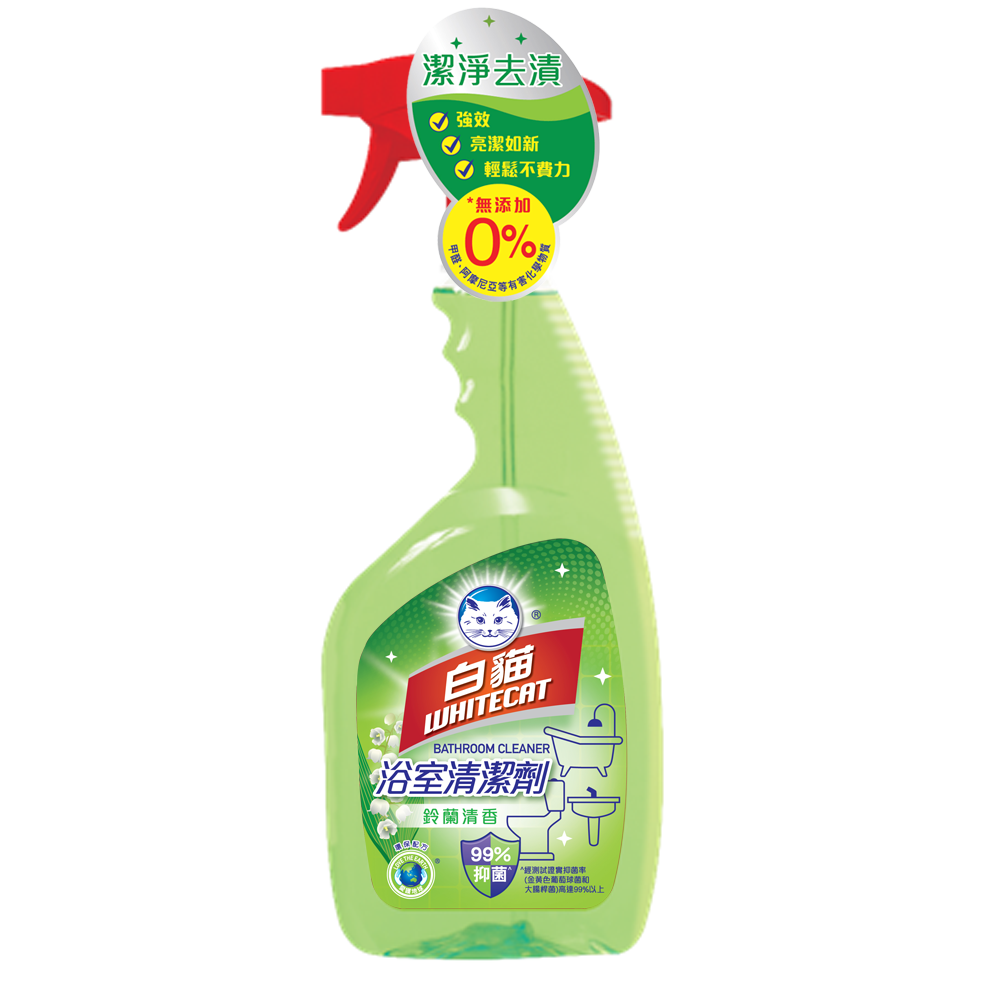
Request a representative toilet cleaner sample and note its product identity, formulation or version, pack size and date received. Ask whether it matches the intended production specification. Use the sample according to its label on suitable surfaces, and document the conditions and observations rather than presenting an informal trial as laboratory proof.
For each toilet cleaner sample, record practical issues such as dispensing, legibility, closure operation and the condition of the container after handling. If customers need evidence for a particular claim, ask what test method and supporting documents are available. Agree on acceptance criteria and any independent testing with the supplier before placing the bulk toilet cleaner order.
If the sample or artwork changes, identify the revision and repeat the relevant checks. A signed reference sample can help both sides distinguish an approved toilet cleaner from a later variation, but it does not replace the agreed specification or applicable testing.
Calculate the order cost and delivery exposure
Compare toilet cleaner quotations using the same unit of measure and delivery point. Note the product price, pack configuration, minimum order quantity, payment terms and quoted lead time. Add the costs applicable to your transaction, such as artwork, testing, freight, insurance, duties, taxes, warehousing and handling. Ask which party is responsible for each item.
A low toilet cleaner unit price may leave out a large freight charge or a minimum volume that is difficult to sell. Convert each offer into a comparable landed cost per saleable unit, using actual quotes rather than assumed rates. Check the currency, quotation validity and any quantity breaks. Treat lead times as estimates until the supplier confirms the production and shipping schedule.
For repeat toilet cleaner orders, discuss reorder notice, forecast updates and what happens if packaging or materials change. Avoid promising customers fixed availability without a written supply commitment. If a buyer requests exclusivity or returns, put those terms in the commercial agreement rather than inferring them from a quotation.
Release the purchase order and inspect receipt
Before approving a toilet cleaner purchase order, reconcile the quote, product specification, artwork, sample and logistics plan. A concise checklist can reduce ambiguity:
- Confirm the exact toilet cleaner formulation, pack size, quantity and approved label revision.
- Record the price basis, delivery point, payment terms, estimated schedule and responsible contacts.
- List the agreed documents, batch identification and any sampling or inspection requirements.
- Document the process for reporting shortages, leaks, damage or specification differences.
On arrival, compare the shipment with the order and check case counts, visible condition, label versions and batch markings. Quarantine questionable toilet cleaner stock under your company’s procedures while the supplier investigates. Record photographs and lot details where possible, and agree on a remedy before releasing disputed goods for sale.
Questions to ask before choosing a supplier
Can the supplier provide a current label and safety data sheet for the quoted toilet cleaner? Which product claims are supported for the destination market? Does the sample represent the production pack? What are the order minimum, lead time and delivery terms? Who approves a change to the formula, label or packaging? Written answers make different toilet cleaner offers easier to compare.
Shanghai Hutchison Whitecat Company Limited operates in household cleaning and laundry care. When discussing a toilet cleaner opportunity, share the target market, intended customer, desired pack and estimated volumes, then request the applicable product details and terms. Confirm availability and documentation for the specific item before making a purchasing decision.