
 EN
 AR
 CS
 DA
 NL
 FR
 DE
 EL
 HI
 IT
 JA
 KO
 NO
 PL
 PT
 RO
 RU
 ES
 SV
 TL
 ID
 SR
 UK
 VI
 HU
 TH
 TR
 MS
 GA
 CY
 HY
 AZ
 KA
 BN
 LO
 LA
 MN
 MY
 KK
 KY
Toilet cleaner weekly bathroom cleaning guide.
A weekly bathroom reset works better when each surface has its own job and its own supplies. Start with a toilet cleaner intended for the bowl, then use a compatible product for the seat, sink and other surfaces. This guide follows the order a household can repeat: prepare, clean the bowl, address the rest of the room and store everything safely.
Your routine depends on the surface, the type of soil and the directions on the container. A toilet cleaner is not automatically suitable for a tap, a natural-stone counter or a painted seat. Check both the cleaner label and the fixture maker's care instructions before starting.
Prepare the room and choose your supplies
Open a window or run an exhaust fan, and keep children and pets out while you work. Put on the gloves recommended by the toilet cleaner label. Gather a toilet brush, a bowl cleaner, disposable towels or designated cloths, and a separate cleaner labeled for the other bathroom surfaces. A small bag for waste and a place to set the brush holder make the last stage easier.
Read the toilet cleaner directions before opening the bottle. Look for where to apply it, how long to leave it, whether to scrub, and when to flush. Check warnings about the seat, metal fittings and other materials. A thicker liquid may cling under the rim, but its appearance does not tell you how long it needs to work; the label does.
Do not mix cleaning products. The CDC warns against mixing household bleach or disinfectants with other cleaners or disinfectants. Combining bleach with an acidic toilet cleaner can release hazardous gas. Do not add vinegar, ammonia, bleach or another cleaner to the bowl or brush. If another product was used, follow its label and make sure it has been flushed or rinsed out before using a different product; when in doubt, stop and consult the manufacturer. If fumes or irritation occur, leave the room and seek local poison-control or emergency advice.
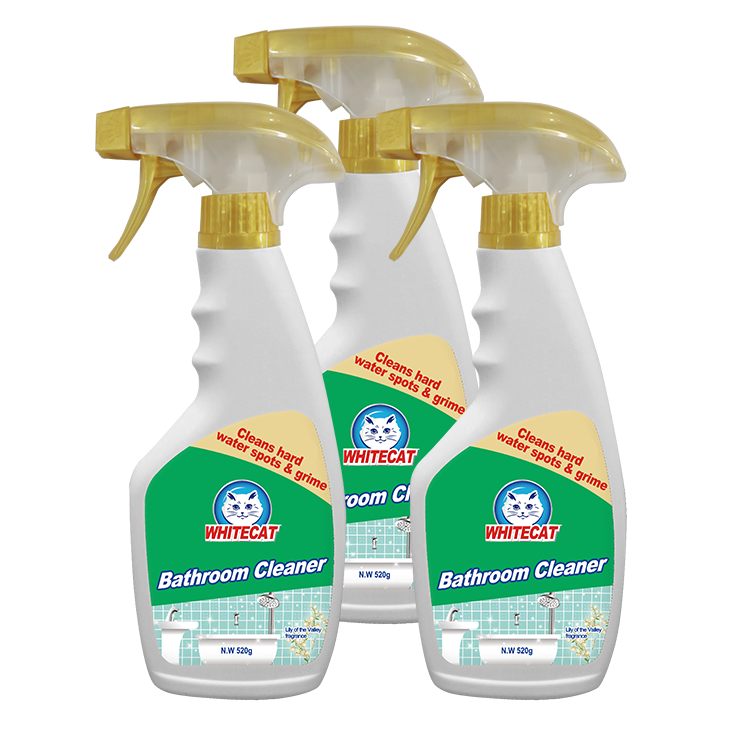
Clean the toilet bowl in a practical order
- Check the bowl. Flush first if needed and remove any visible debris without splashing. Follow the toilet cleaner label if it specifies whether the bowl should be wet or how much water should remain.
- Apply under the rim. Direct the toilet cleaner into the bowl as the label instructs. Keep it off the seat, hinges and surrounding floor unless those surfaces are expressly listed as suitable.
- Allow the stated time. Let the toilet cleaner remain for the period and purpose on its label. Cleaning directions and disinfecting directions can differ, even on the same container.
- Brush the bowl. Work under the rim, around the waterline and down into the bowl. Use gentle pressure appropriate for the fixture; avoid an abrasive tool if its care instructions advise against one.
- Flush and check. Flush as directed, taking care not to splash. Look for remaining marks. If a deposit remains, review the toilet cleaner instructions and fixture guidance rather than adding a second chemical.
Keep the toilet brush for the bowl only. Let it drain into the bowl after the final flush, then clean and store it according to the brush and product instructions. Keep the holder clean and dry. Wash your hands after removing gloves.
Clean the seat and the rest of the bathroom
The bowl and the surfaces people touch are different tasks. Use a separate cloth or disposable towel for the toilet exterior, beginning with the flush handle and working toward the seat, hinges, base and floor around the toilet. Use a product that specifically permits those materials. A toilet cleaner meant only for the bowl should stay inside it.
For the sink and counter, switch to a fresh cloth. Remove visible residue with a surface-appropriate cleaner, paying attention to the tap handles and the area around the drain. Check care instructions for stone, coatings and metal finishes; a product that suits porcelain may damage another material. Rinse or wipe the surface as the cleaner label requires.
Finish with the shower or tub, then the floor. Pick up bottles and bath mats so you can reach damp edges without dragging dirt across them. Launder reusable cloths according to their care instructions, keeping toilet cloths separate from cloths used for other household tasks. Return toiletries only after the relevant surfaces are dry.
Understand cleaning and disinfection
Cleaning removes visible dirt; disinfection is a separate purpose with its own product directions. For ordinary weekly upkeep, decide what is needed for your household rather than assuming every toilet cleaner disinfects. If illness or another circumstance calls for disinfection, select a product labeled for the surface and the intended use, and follow its full instructions.
For a disinfectant, the label may require pre-cleaning and a specific contact time. The U.S. Environmental Protection Agency explains that contact time is the time a treated surface must remain visibly wet for the stated disinfecting use. Use the time on your own product label, not a universal number from a cleaning tip. Follow any rinsing and ventilation instructions as well. Do not combine a disinfectant with a toilet cleaner.
Handle stains without guessing
A mark that survives one weekly clean may be mineral buildup, a worn finish or another kind of deposit. Note its location and whether it returns at the waterline. Before changing your toilet cleaner, check the fixture's material and the product's approved surfaces. If the mark persists, ask the fixture manufacturer for a compatible approach instead of scraping aggressively or combining products.
Odor can also point beyond the bowl. Check whether the brush holder needs attention, towels need laundering or the room remains damp. A toilet cleaner addresses only the areas it is designed to clean; it cannot diagnose a plumbing problem. For a recurring sewer-like smell or leak, contact a qualified plumber.
Keep the weekly routine manageable
Choose a regular day and keep supplies together in their original, clearly labeled containers. Between weekly sessions, deal promptly with visible spills using a suitable product and the label directions. A quick check of the handle, seat and sink can make the next full clean less demanding, especially in a busy shared bathroom.
Store the toilet cleaner closed and out of reach of children and pets. Do not transfer it to a food or drink container. If you would like to explore the company's wider household cleaning focus, visit Whitecat's home cleaning site or browse its household cleaning collection. For each product, its own label remains the guide to surfaces, application and safe storage.