
 EN
 AR
 CS
 DA
 NL
 FR
 DE
 EL
 HI
 IT
 JA
 KO
 NO
 PL
 PT
 RO
 RU
 ES
 SV
 TL
 ID
 SR
 UK
 VI
 HU
 TH
 TR
 MS
 GA
 CY
 HY
 AZ
 KA
 BN
 LO
 LA
 MN
 MY
 KK
 KY
The bubbles in a wash can be reassuring, but they do not tell the whole story. Laundry Detergent Powder can clean with little visible foam, and a drum full of suds does not necessarily mean that clothes are getting cleaner. What matters is whether the formula, amount, water and washing method work together.
Foam still deserves attention. Too much can interfere with a machine's rinse or spin, while unexpectedly low foam may be a useful prompt to check conditions rather than immediately add more powder. Here is how to interpret what you see and choose a practical next step.
What creates foam in a wash?
Many detergents contain surfactants: ingredients that help water wet fabric and loosen or suspend certain soils. When water, air and agitation meet, some surfactants can also stabilize bubbles. The visible foam is a side effect of that interaction, not the entire cleaning process.
A Laundry Detergent Powder formula may contain other components that support its intended job, such as builders or enzymes. The actual ingredients vary by product, so check its label rather than assuming every powder works the same way. Agitation, water temperature, water hardness and the amount and type of soil can also change the amount of foam you notice.
That distinction helps with a common misconception: bubbles are not tiny measures of cleaning power. A low-sudsing product can be formulated to do its work without producing a large cap of foam. Equally, a tall layer of bubbles alone does not show whether a particular stain has been removed.
Why foam matters in different washing methods
High-efficiency machines
For a high-efficiency (HE) washer, choose Laundry Detergent Powder labeled for HE use if the machine instructions call for it. These machines are designed around their own water levels and wash action, so a low-sudsing formula is often appropriate. Follow both the detergent label and the appliance instructions; do not assume that a powder is HE-compatible simply because it is a powder.
Excess suds may affect rinsing or spinning. One appliance manufacturer's front-load guidance notes that too much detergent or a non-HE product can produce excess suds, extend a cycle as the machine rinses, and leave a load wetter if spinning is reduced. The exact warning and response depend on the washer. If a suds message appears, consult the manual and allow the machine to finish its programmed response.
Hand washing and conventional machines
When washing by hand, visible bubbles can make it easier to see that detergent has dispersed, but they are not a substitute for measuring or checking the label. Use a product intended for the method and water temperature you are using. Avoid relying on how slippery the water feels as proof that more detergent is needed.
Conventional machines can have different water and agitation patterns. Select Laundry Detergent Powder according to the instructions for that machine and adjust the dose only within the product's directions. Whether washing in a basin or a washer, rinse according to the fabric and product instructions.
What if there is very little foam?
First, check whether the Laundry Detergent Powder is intended to be low-sudsing. If it is, little visible foam may be normal. Look at the wash outcome after the cycle: consider visible soil, any remaining odor and whether the fabric feels properly rinsed. Those observations are more useful than trying to reach a particular bubble height.
Next, review the dose and the conditions. A heavily soiled load, hard water or a cooler cycle can change the way a detergent behaves. Compare the package directions with the load size and soil level; the manufacturer may provide different dosing guidance for these conditions. Make one adjustment at a time and keep the other conditions similar so you can see what changed.
If residue appears, the issue might involve dispensing or dissolving rather than foam. Check the dispenser and the package instructions for where and how to add the product. Do not put powder into an appliance compartment that the appliance maker has not designated for it. Persistent problems deserve a closer look at the washer manual or a conversation with the detergent supplier.
What if there are too many suds?
Start by allowing the washer to follow its normal cycle and consult its instructions if a warning appears. Avoid opening a machine or interrupting a locked cycle contrary to the manual. If the manufacturer recommends an additional rinse, follow that guidance rather than adding other chemicals to the drum.
For the next load, check these points:
- Product compatibility: Is the Laundry Detergent Powder labeled for your washer and wash method?
- Measured dose: Did you follow the amount for the load and soil level, using the measuring device specified on the package?
- Previous products: Could detergent or another cleaning product left in the dispenser have contributed? Clean the dispenser only as directed by the appliance maker.
- Load conditions: Were the load size and cycle appropriate for the fabric care labels and washer instructions?
Do not add more Laundry Detergent Powder to make a cycle look more active. More detergent can be harder to rinse out, and excess foam can make it harder to judge what is happening inside the machine.
How to compare powder without judging by bubbles
Whether buying for home use or evaluating a sample for a laundry business, define the wash conditions before comparing products. A useful comparison keeps fabric, soil, load size, water and cycle as consistent as practical. Record the specified dosage and look at cleaning and rinsing separately from foam volume.
For Laundry Detergent Powder samples, ask for the product's usage instructions and information relevant to your washer type. If a supplier makes a specific performance claim, request the test method and the conditions behind it. A sample washed once in unfamiliar conditions can provide an observation, but it cannot establish how every load will perform.
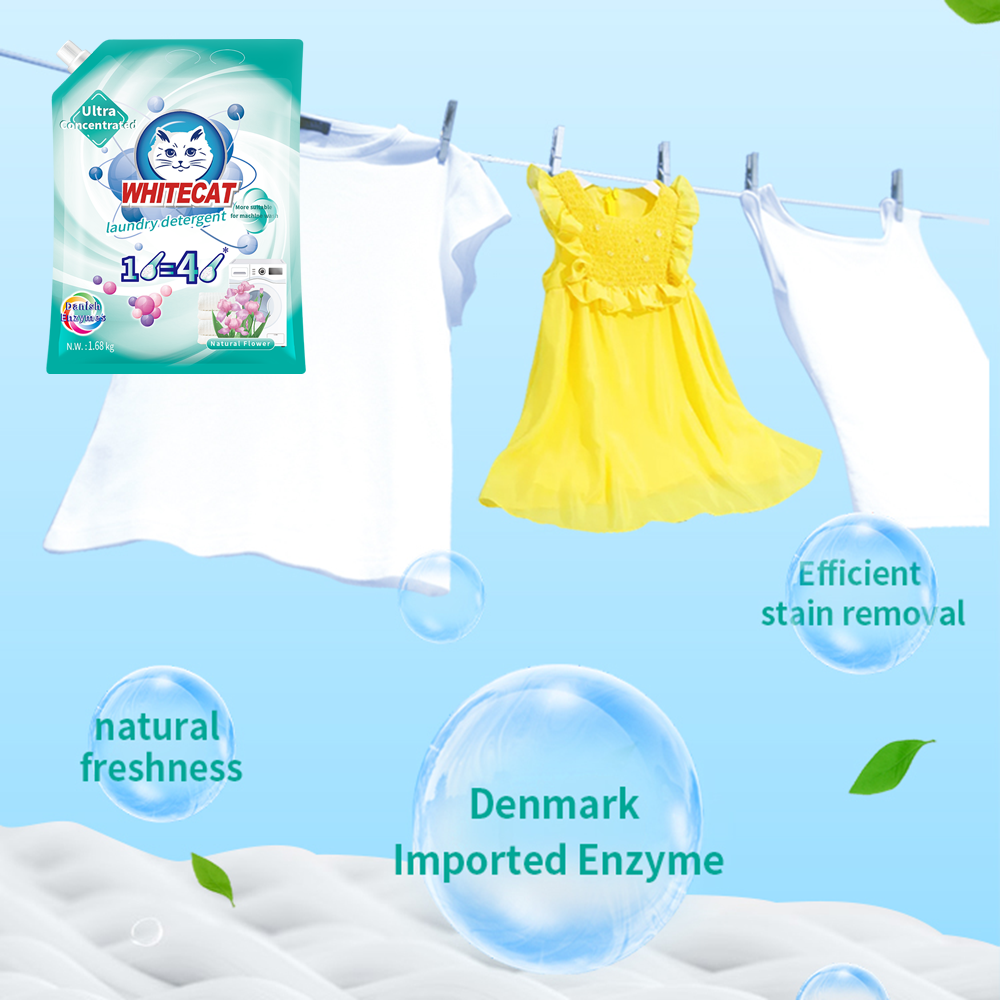
Shanghai Hutchison Whitecat Company Limited lists laundry supplies among its home-cleaning categories. For a particular Laundry Detergent Powder, ask the supplier to confirm the label, intended use and any available product documentation before choosing it for your application.
A simple takeaway
Foam matters because it can influence the wash process and signal a mismatch between detergent, dose and equipment. It is not a score for cleaning. Choose Laundry Detergent Powder for the washing method, measure it as directed, and judge the result by the fabric and rinse rather than bubbles alone.